Why Knots, Checks, and Natural Marks Can Add Character to Live Edge Furniture

September 6, 2026

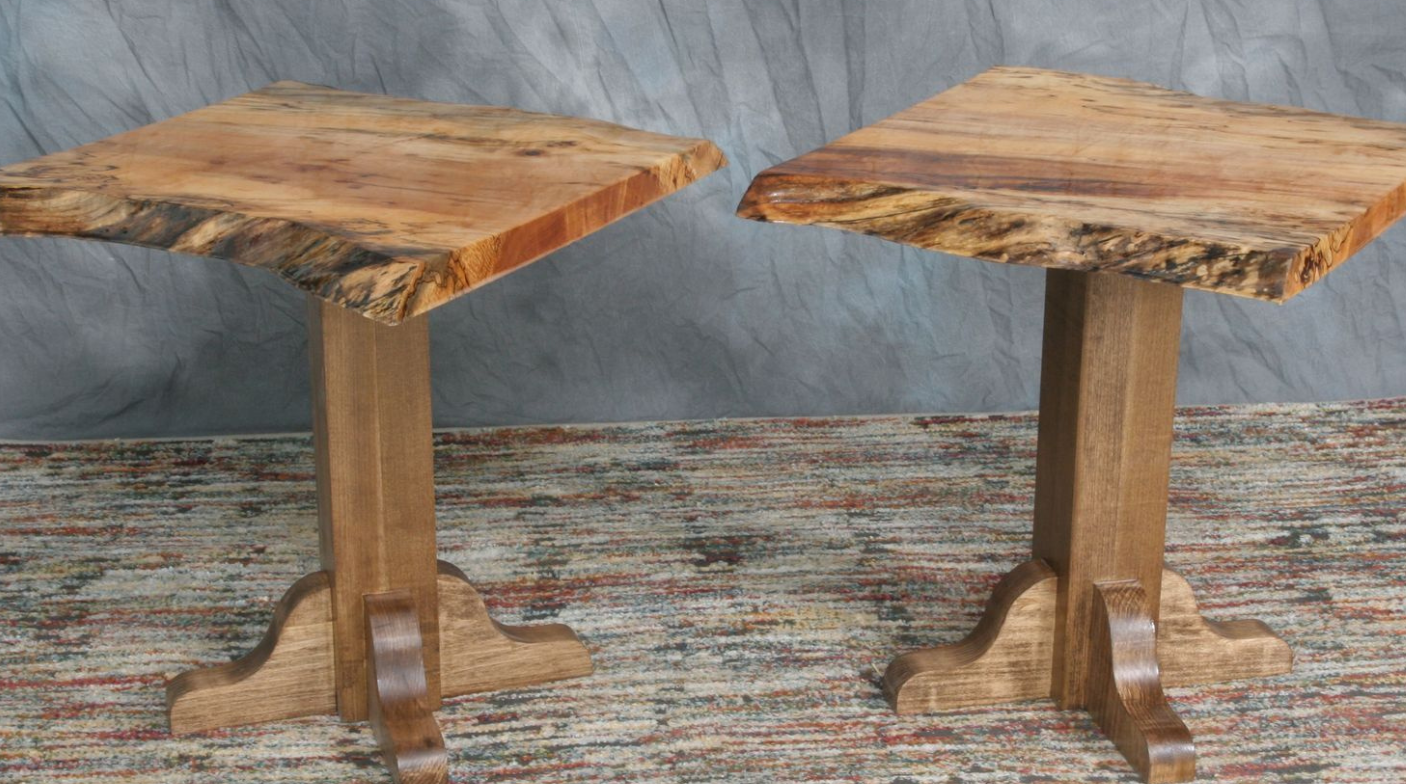
One of the biggest differences between handcrafted live edge furniture and mass-produced furniture is that the wood is allowed to look like wood. Natural variations are not automatically hidden or removed. Knots, color changes, checks, mineral streaks, and irregular grain patterns can all become part of the finished design.


For many people, these features are exactly what make a custom piece interesting. Instead of looking identical to hundreds of other tables or desks, the finished furniture reflects the history and individual character of the tree it came from.


Knots Create Visual Interest

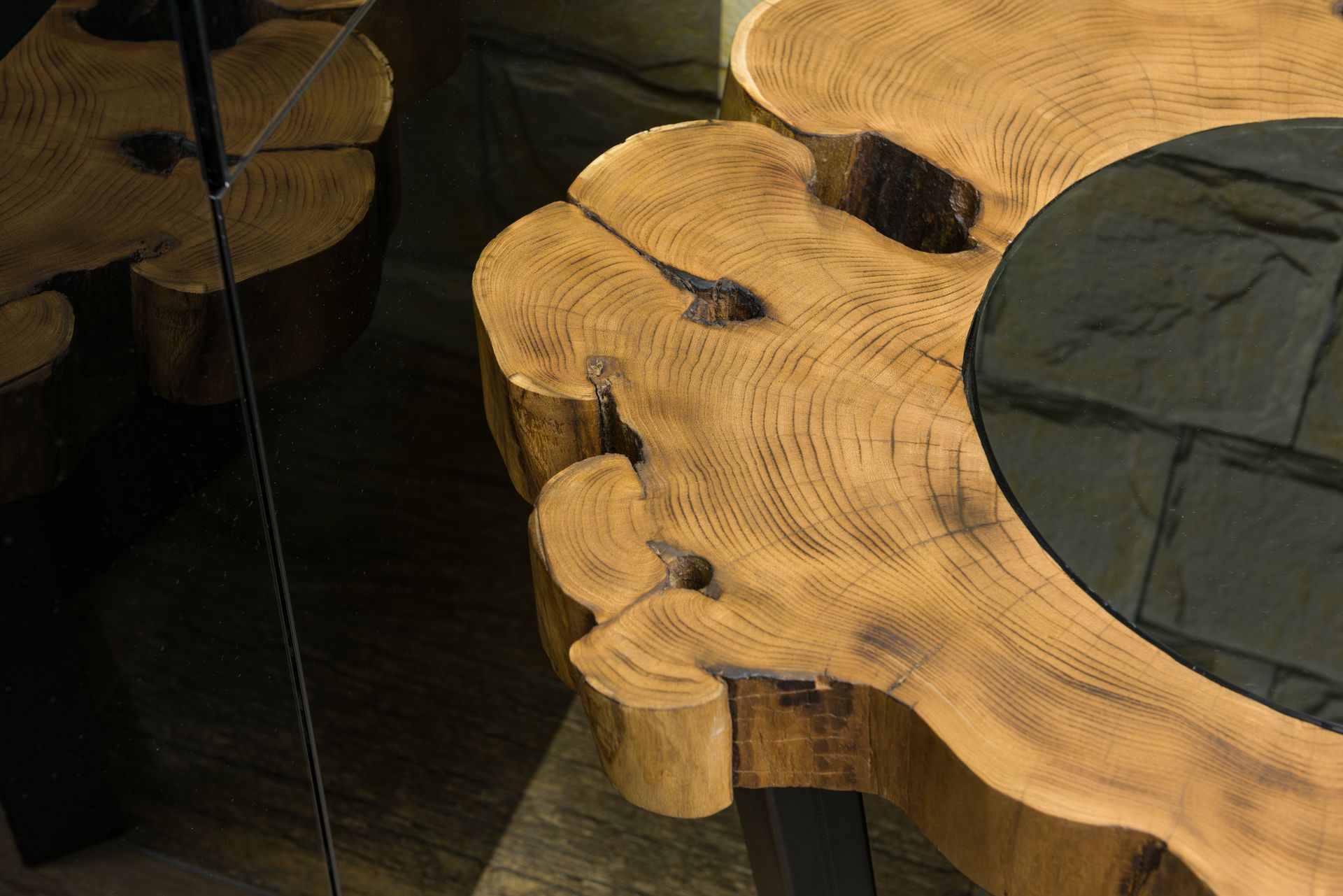
Knots form where branches once grew from the trunk of the tree.


Depending on their size, shape, and location, they can create dramatic focal points within a slab. Some knots are tight and stable, while others may require additional attention during the woodworking process.


A skilled woodworker evaluates each knot rather than simply treating it as a defect. In some pieces, a knot may become one of the most visually interesting parts of the tabletop.

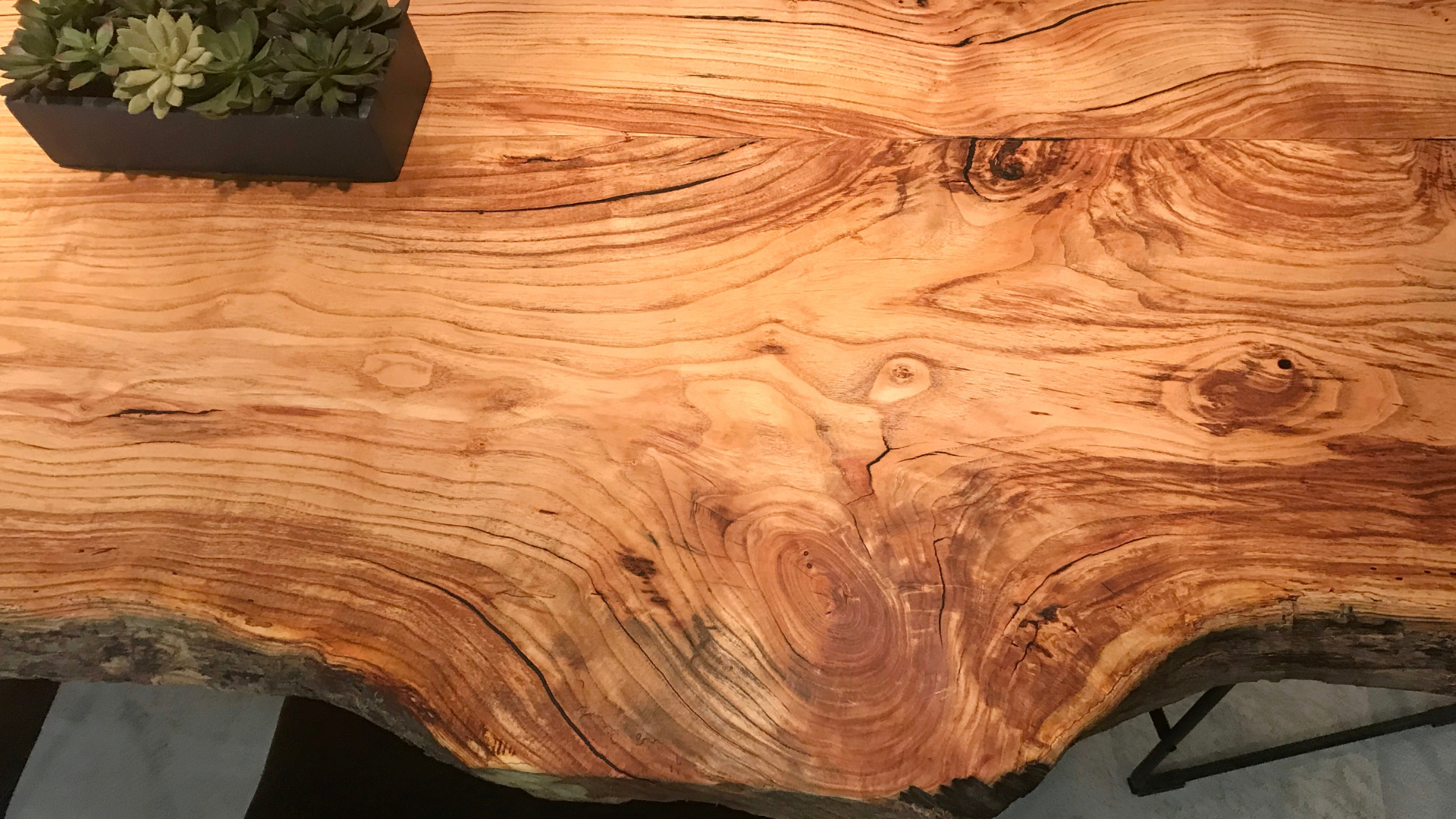
The surrounding grain often curves and changes direction around it, creating patterns that would be difficult to reproduce artificially.
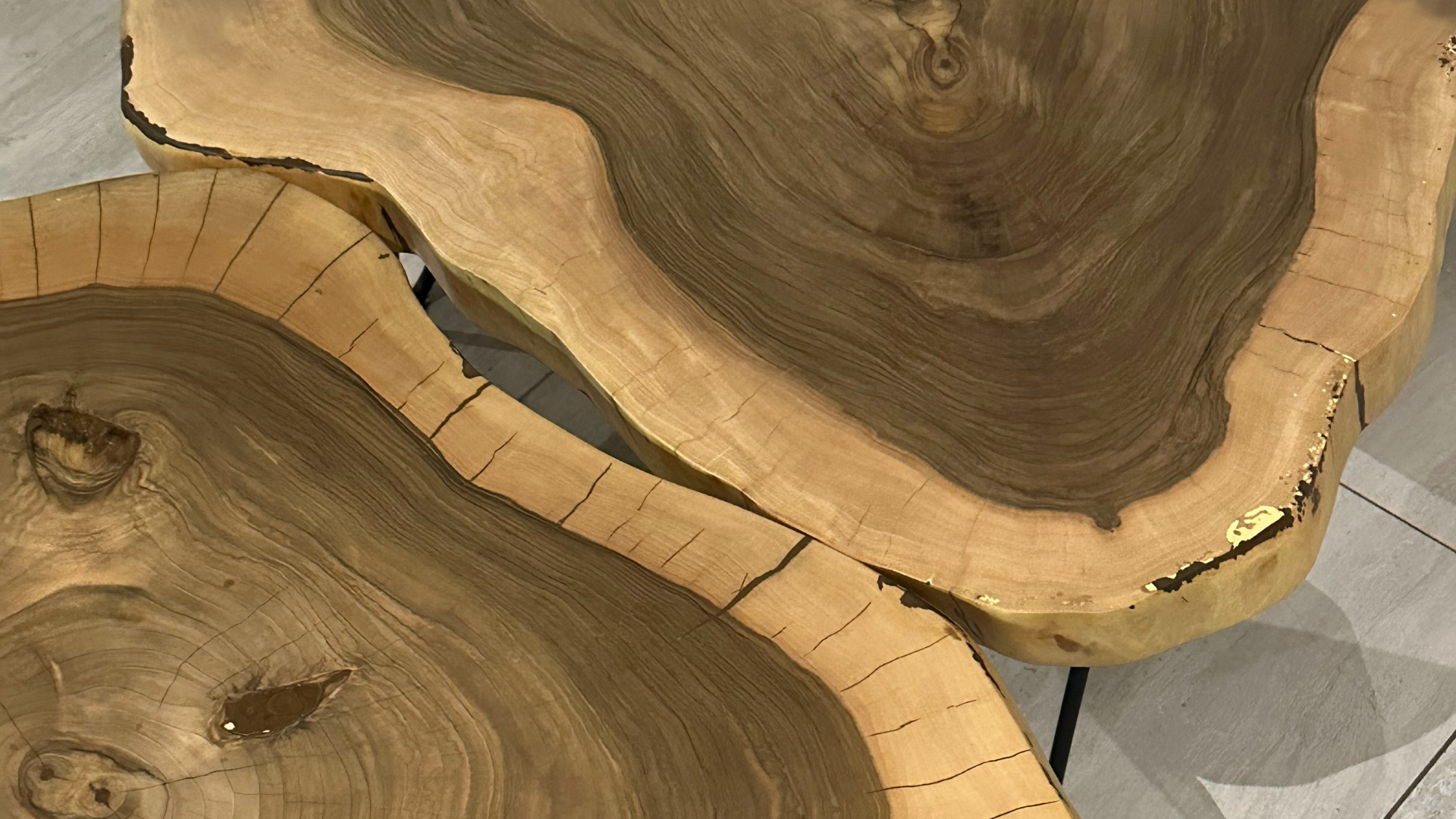
Close-up of a brown wood cross-section with visible growth rings and cracks

Checks Tell Part of the Wood’s Story

Checks are natural separations that can develop as wood dries and releases moisture.


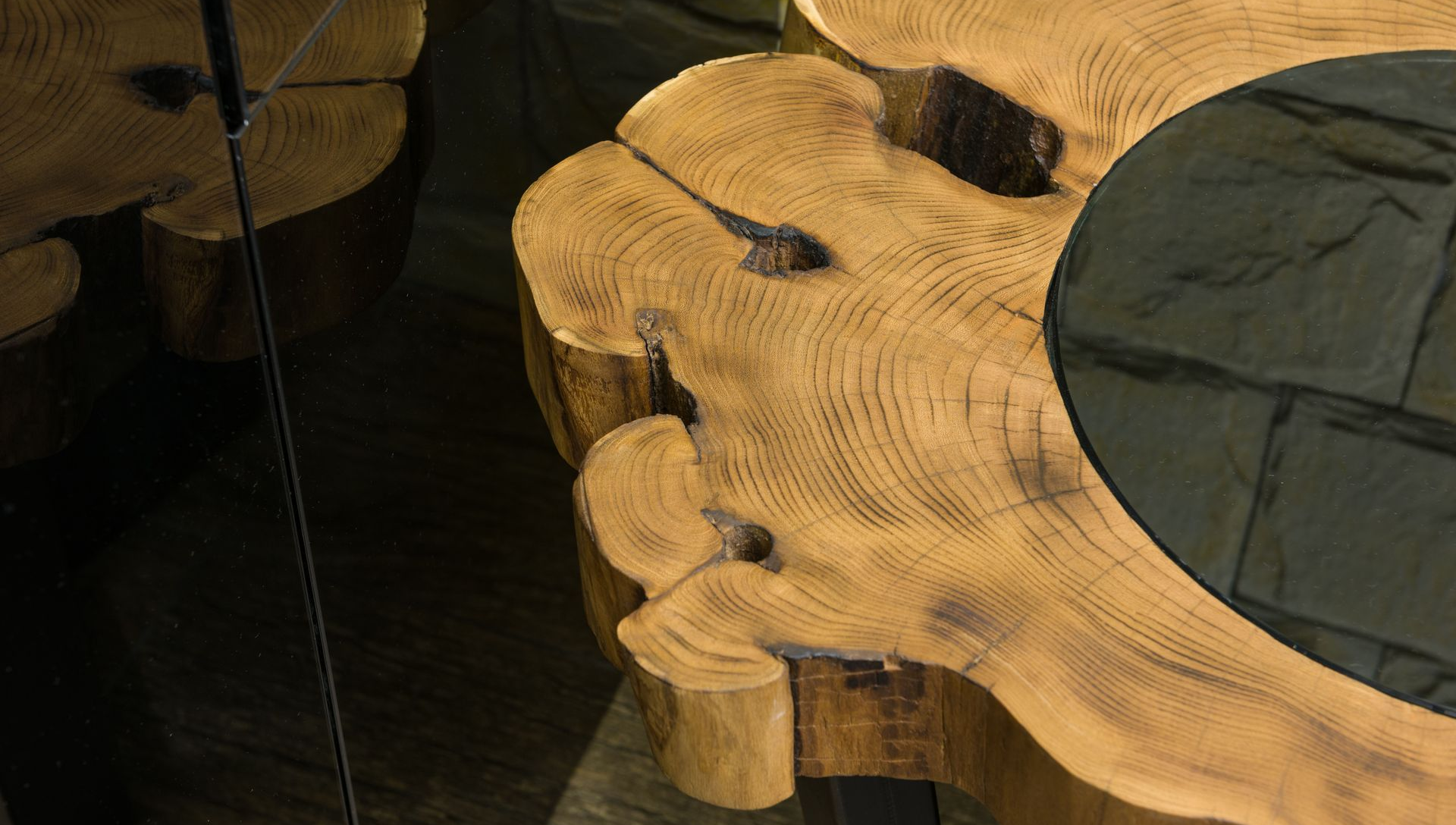
They are particularly common in large slabs because thick sections of wood do not dry at exactly the same rate throughout. A check may appear near the end of a slab, around a knot, or in another area where internal stresses developed during drying.


Not every check needs to disappear.


When properly evaluated and stabilized, some can remain visible as part of the natural appearance of the piece. The goal is to make sure the slab is structurally suitable while preserving the features that give it personality.
Three carved wooden wall plaques above a long natural wood shelf on a light wall

Grain Patterns Make Every Slab Different

Even two slabs cut from the same tree can have noticeably different grain.


The location of the cut, growth pattern of the tree, branches, environmental conditions, and natural stresses can all influence what appears on the surface.


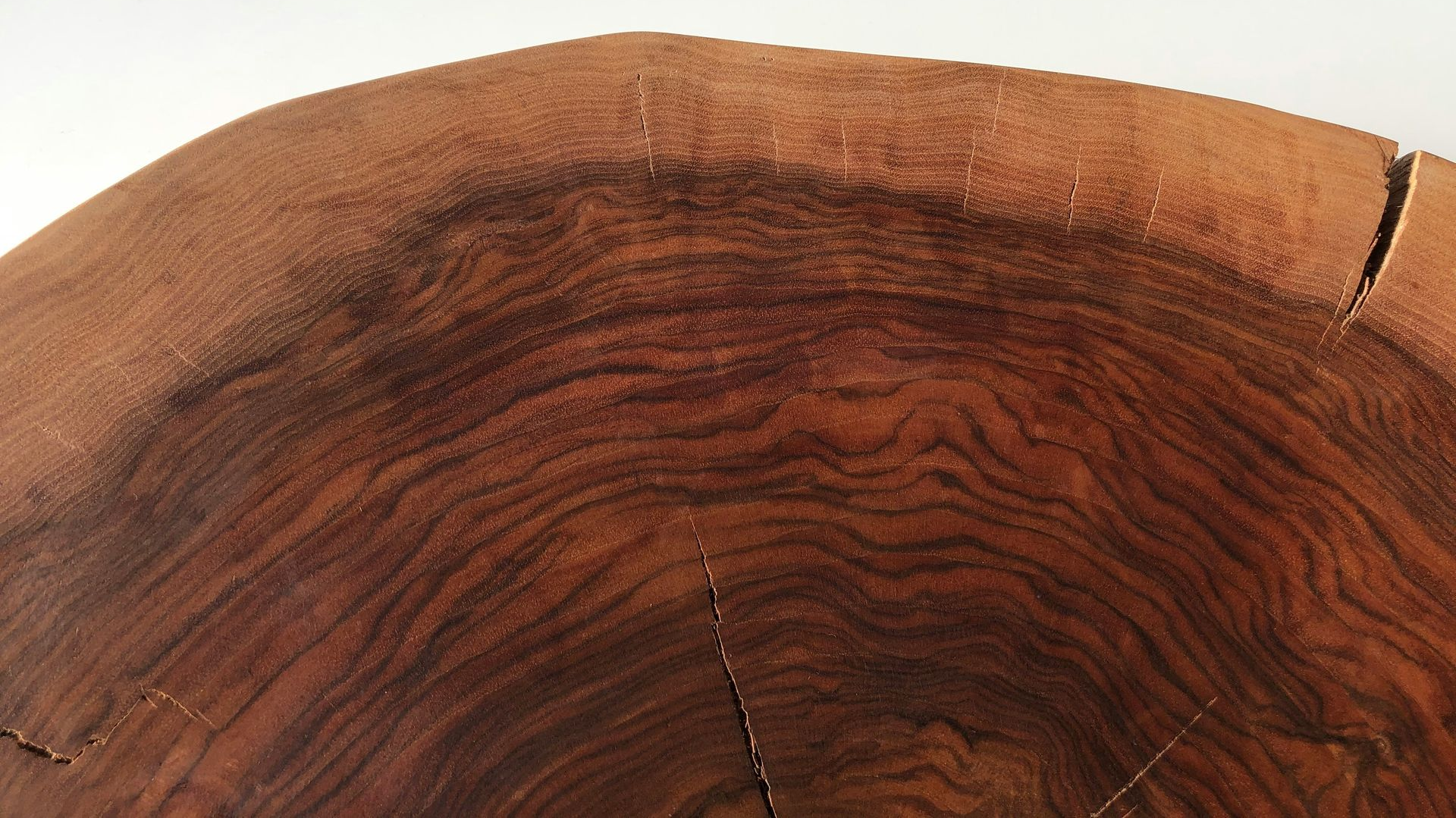
Straight grain may create a clean, refined look. Curving or irregular grain can be more dramatic. Highly figured areas may immediately draw the eye.


This variability is one reason choosing the actual slab is such an important part of commissioning custom furniture. Customers are selecting more than a wood species. They are choosing a specific piece of wood with its own visual character.


Natural Marks Can Create Contrast

Some slabs contain areas of sapwood and heartwood, mineral streaking, darker lines, small voids, or other natural color variations.


These features can create striking contrast once the surface is sanded and finished.


Black walnut, for example, may combine darker heartwood with much lighter sapwood. Other species can reveal unexpected patterns that were far less obvious before the slab was milled and prepared.


A carefully chosen finish can highlight these variations without making the wood look artificial.
Close-up of a polished live-edge wooden tabletop with swirling grain and a small succulent planter in the corner

Character Still Requires Sound Construction

Celebrating natural features does not mean ignoring structural problems.


A custom furniture maker needs to distinguish between a visually interesting characteristic and a defect that could affect long-term stability.


Large cracks may need reinforcement. Loose material around a knot may need to be stabilized or removed. Voids may require careful treatment depending on the intended use of the furniture.


This is where craftsmanship becomes especially important.


The best live edge furniture preserves as much natural character as possible while making sure the finished piece remains functional, stable, and appropriate for everyday use.
Striated reddish-brown rock surface with swirling sediment layers and weathered texture

Imperfections Can Influence the Entire Design

Sometimes a natural feature becomes the starting point for the design rather than something that needs to be worked around.


A dramatic knot might influence which side of a slab becomes the front. An unusual live edge could determine table orientation. A large check might be incorporated into a design feature rather than concealed.


The table base, finish, dimensions, and even placement within the room can all be chosen to complement the slab's strongest characteristics.


This is one of the creative advantages of custom woodworking: the furniture can be designed around the wood instead of forcing the wood into a predetermined factory shape.
Close-up of round wooden stools with irregular cutout edges and dark leather cushions on a tiled floor

Natural Character Makes the Piece Personal

Perfect uniformity has its place, but it is rarely what makes live edge furniture memorable.


Knots, checks, grain changes, and natural markings can show where the tree grew, how it developed, and what made that particular slab unique. When those features are thoughtfully incorporated into a finished table, desk, island top, headboard, or accent piece, they help create furniture that cannot be duplicated exactly.


Specialty Slab Wood Creations is a family-owned woodworking shop in Elkview, West Virginia, creating handcrafted live edge furniture from locally sourced wood. From slab selection and custom dimensions to finishes and table bases, each piece is designed around both the customer's needs and the natural character of the wood.


If you are looking for furniture with individuality rather than factory-perfect uniformity, contact Specialty Slab Wood Creations to explore a custom piece built around a slab that is truly one of a kind.
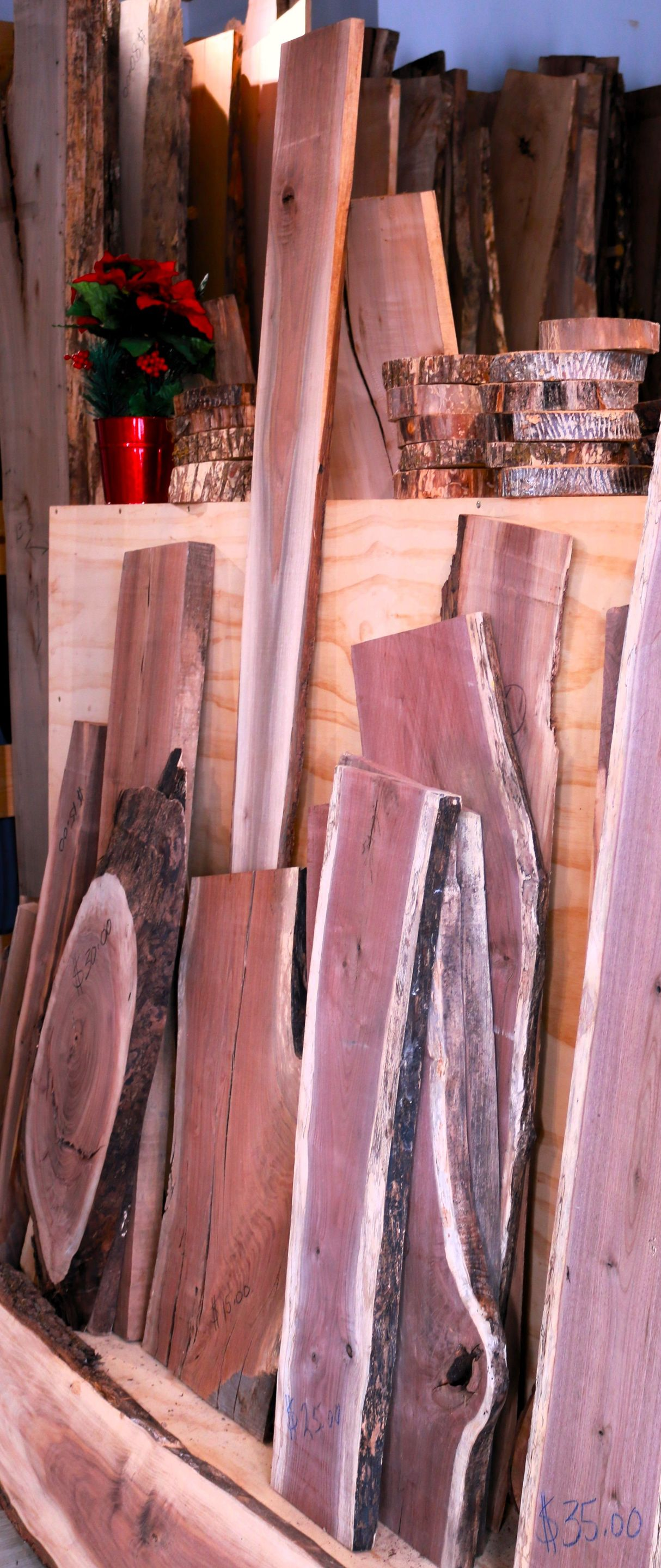
Stack of weathered wooden planks in pink, brown, and gray tones, leaning vertically in a rustic setting
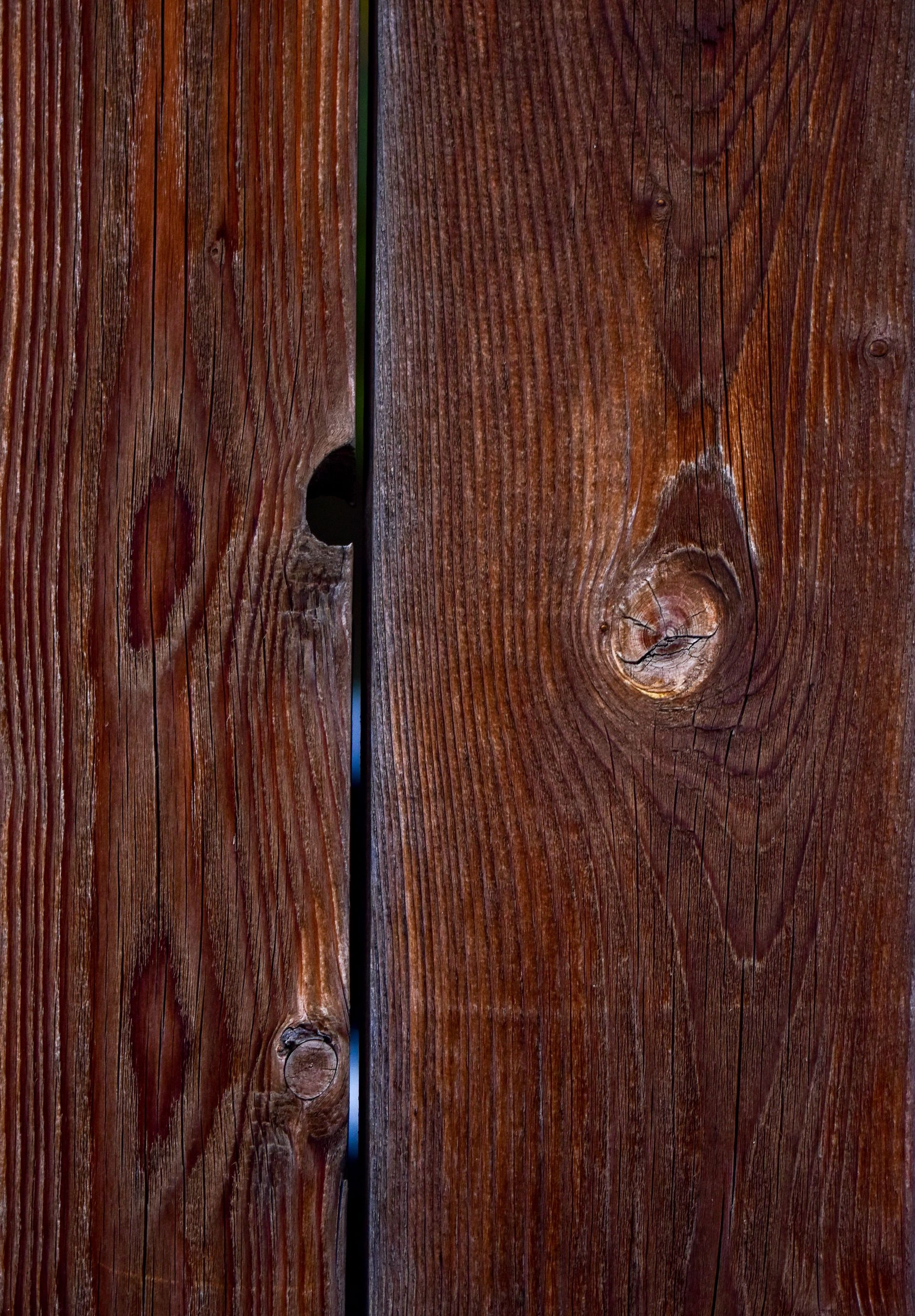
Close-up of weathered brown wooden boards with knots and a narrow vertical gap between them
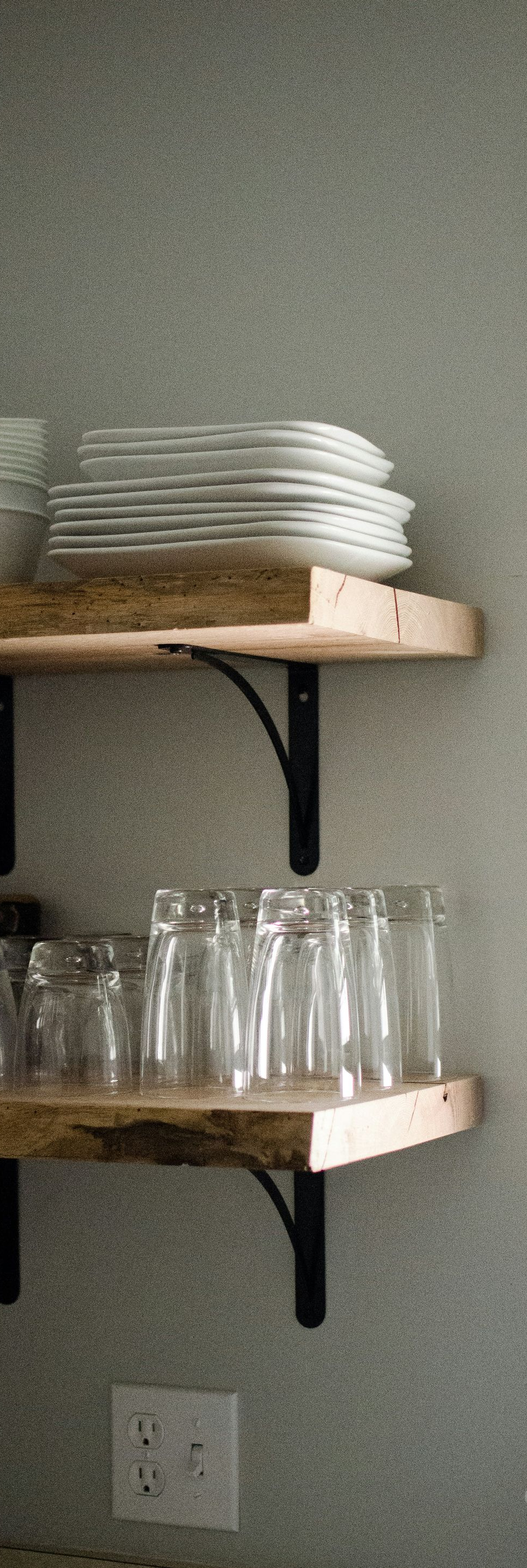
Kitchen shelves with stacked white plates on top and drinking glasses below, against a light wall.
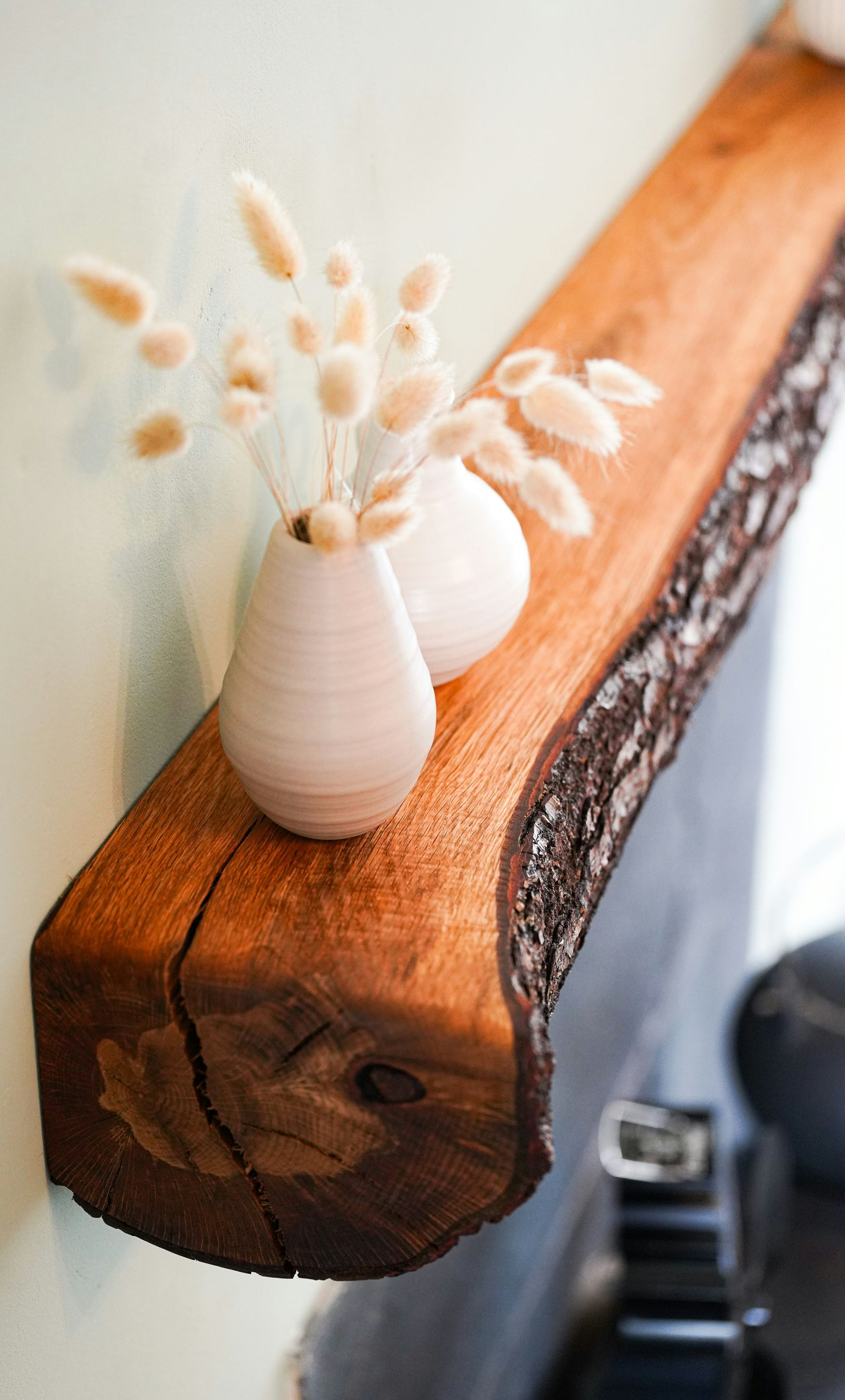
Small white vase with dried stems on a rustic wooden shelf against a light wall.
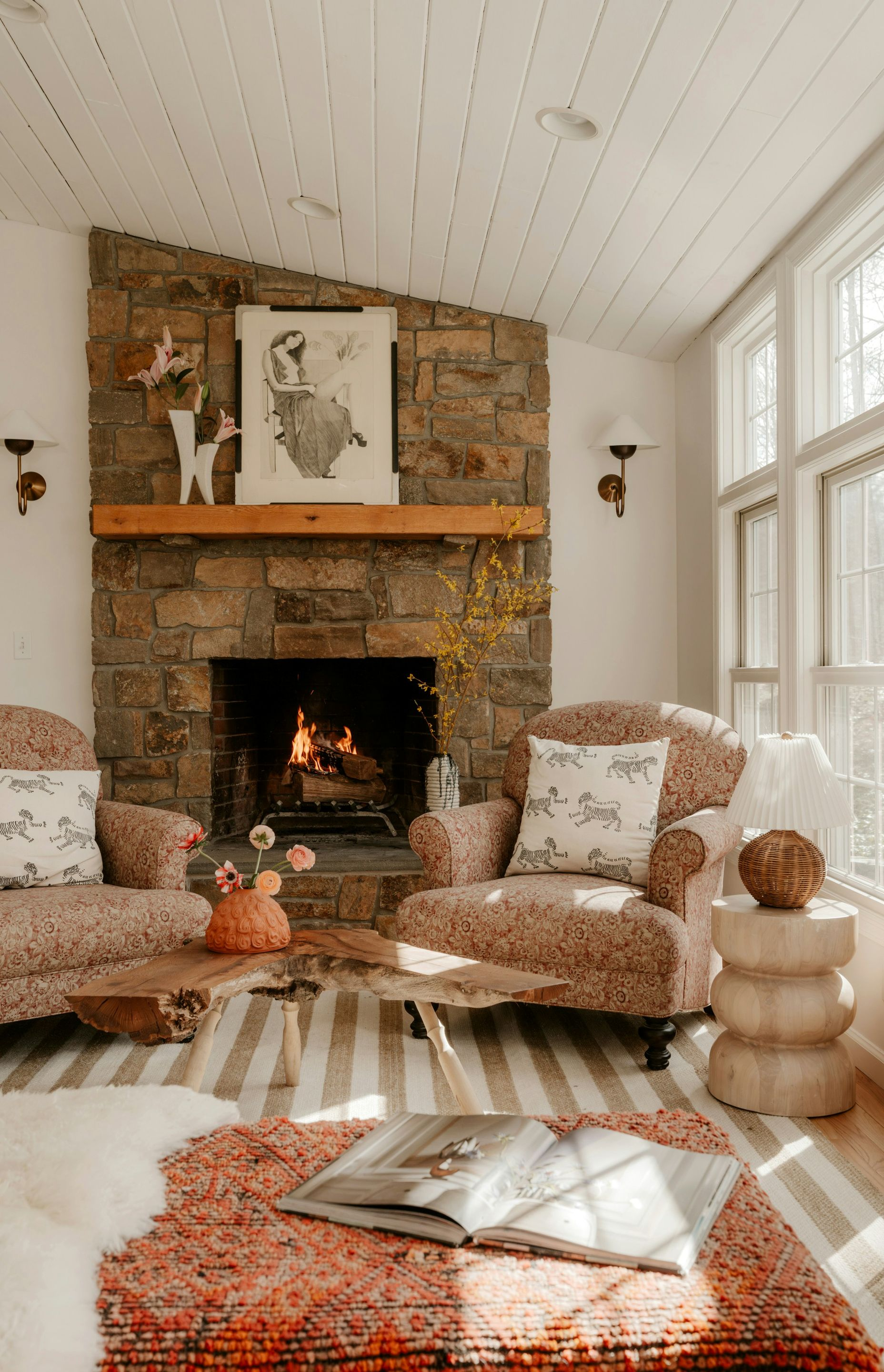
Cozy living room with stone fireplace, upholstered chairs, white walls, and orange patterned rug
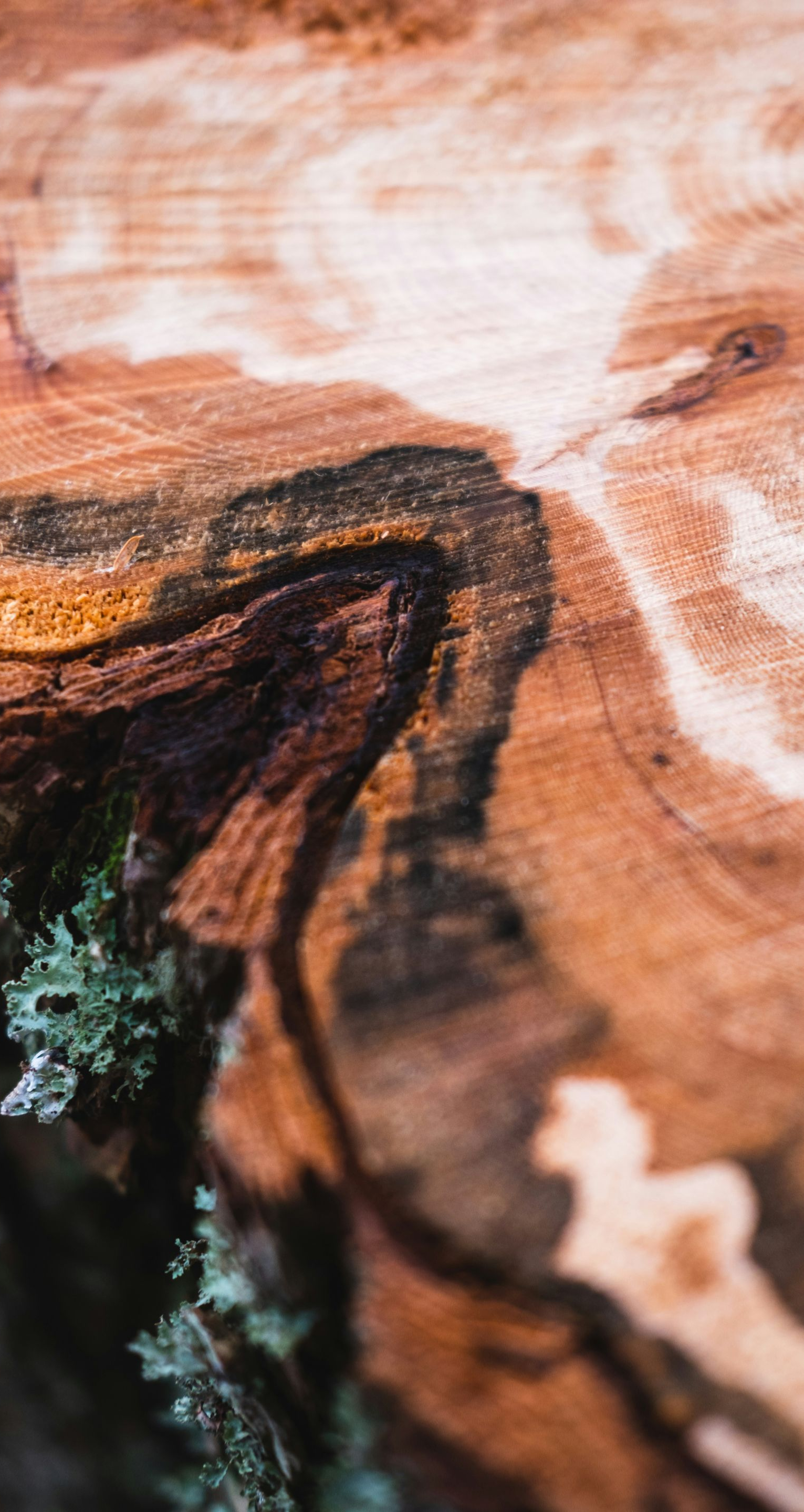
Close-up of a wood grain pattern with brown, black, and white swirls
August 28, 2026
Live edge furniture has a natural ability to command attention. Unlike factory-made pieces with uniform surfaces and predictable dimensions, every slab has its own grain, edge profile, color variation, knots, and natural imperfections. When the goal is to create a true focal point, choosing the right slab becomes especially important. Specialty Slab Wood Creations works with native West Virginia wood to create one-of-a-kind tables, desks, island tops, headboards, and other custom pieces designed around the individual character of each slab. Look for Strong Grain Movement One of the first things to consider is the grain . Some slabs have relatively straight, subtle grain patterns, while others feature sweeping lines, cathedral patterns, curls, waves, or dramatic color changes. If you want the finished piece to immediately draw the eye, a slab with strong grain movement can provide natural visual interest without requiring excessive ornamentation.  The best choice depends on the room. In a minimalist space, bold grain can become the primary decorative feature. In a busier interior, a more controlled grain pattern may create better balance.
August 23, 2026
Choosing the right wood is one of the most important decisions when designing live edge furniture. The species affects everything from color and grain to durability, edge character, and the overall mood of the finished piece. Some woods create a bold, dramatic table, while others produce a lighter and more understated look. Specialty Slab Wood Creations handcrafts live edge furniture using native West Virginia wood, allowing the natural character of each slab to become part of the design. While beauty is subjective, several hardwoods consistently stand out for their grain, color, and ability to make exceptional live edge pieces. 1. Black Walnut: Rich and Dramatic Black walnut is one of the most recognizable woods used in custom furniture. Its heartwood typically ranges from medium brown to deep chocolate, sometimes with darker streaks or subtle purplish tones. Lighter sapwood along the outer portions of the slab can create striking contrast, especially when preserved as part of a live edge. Walnut works particularly well for dining tables, desks, conference tables, and statement pieces because the grain tends to feel refined without looking overly formal.  For homeowners who want a darker, sophisticated piece with strong natural variation, walnut is difficult to beat.
August 13, 2026
Live edge furniture is often associated with rustic cabins, farmhouse interiors, and traditional woodworking, but it can also work beautifully in modern spaces. In fact, the contrast between a natural wood edge and a clean, contemporary room can make the furniture feel even more distinctive. Specialty Slab Wood Creations builds handcrafted live edge furniture using native West Virginia wood , combining natural materials with custom design. Whether the finished piece is a dining table, desk, coffee table, island top, or accent table, live edge furniture can bring warmth and character to modern interiors without disrupting a clean design aesthetic. Natural Wood Softens Clean Lines Modern interiors often rely on straight lines, smooth surfaces, neutral colors, and simple forms. That visual restraint can create a polished look, but too many hard surfaces can sometimes make a room feel cold or impersonal. Live edge wood introduces organic shape, grain, and texture into the space.  A natural edge provides contrast without creating clutter. Instead of adding multiple decorative elements, one substantial wood piece can give the room a focal point while maintaining a simple overall design.
August 7, 2026
A handcrafted live edge table is much more than a functional piece of furniture. It is a one-of-a-kind work of art that showcases the natural beauty of solid hardwood, complete with distinctive grain patterns, organic edges, and unique character developed over decades of growth. With proper care, a quality live edge piece can remain beautiful for generations, becoming an heirloom that is enjoyed by family members for years to come.  Fortunately, caring for live edge furniture is relatively simple. By following a few basic maintenance practices, homeowners can help preserve the wood’s natural appearance while protecting their investment. At Slab Wood Creations, every custom piece is handcrafted from native West Virginia hardwoods with durability in mind, making proper care the final step in ensuring a lifetime of enjoyment.
July 29, 2026
Furniture is more than just something we use every day. The right piece can become the centerpiece of a room, reflect your personal style, and even tell a story. Live edge furniture has become increasingly popular because it celebrates the natural beauty of wood rather than hiding it. Instead of cutting every board into perfectly straight lines, live edge craftsmanship preserves the organic contours of the tree, resulting in furniture that is both functional and artistic. At Slab Wood Creations, every live edge project is handcrafted to highlight the distinctive character of the wood, creating one-of-a-kind pieces that cannot be replicated.