Why Sapwood and Heartwood Create Natural Contrast
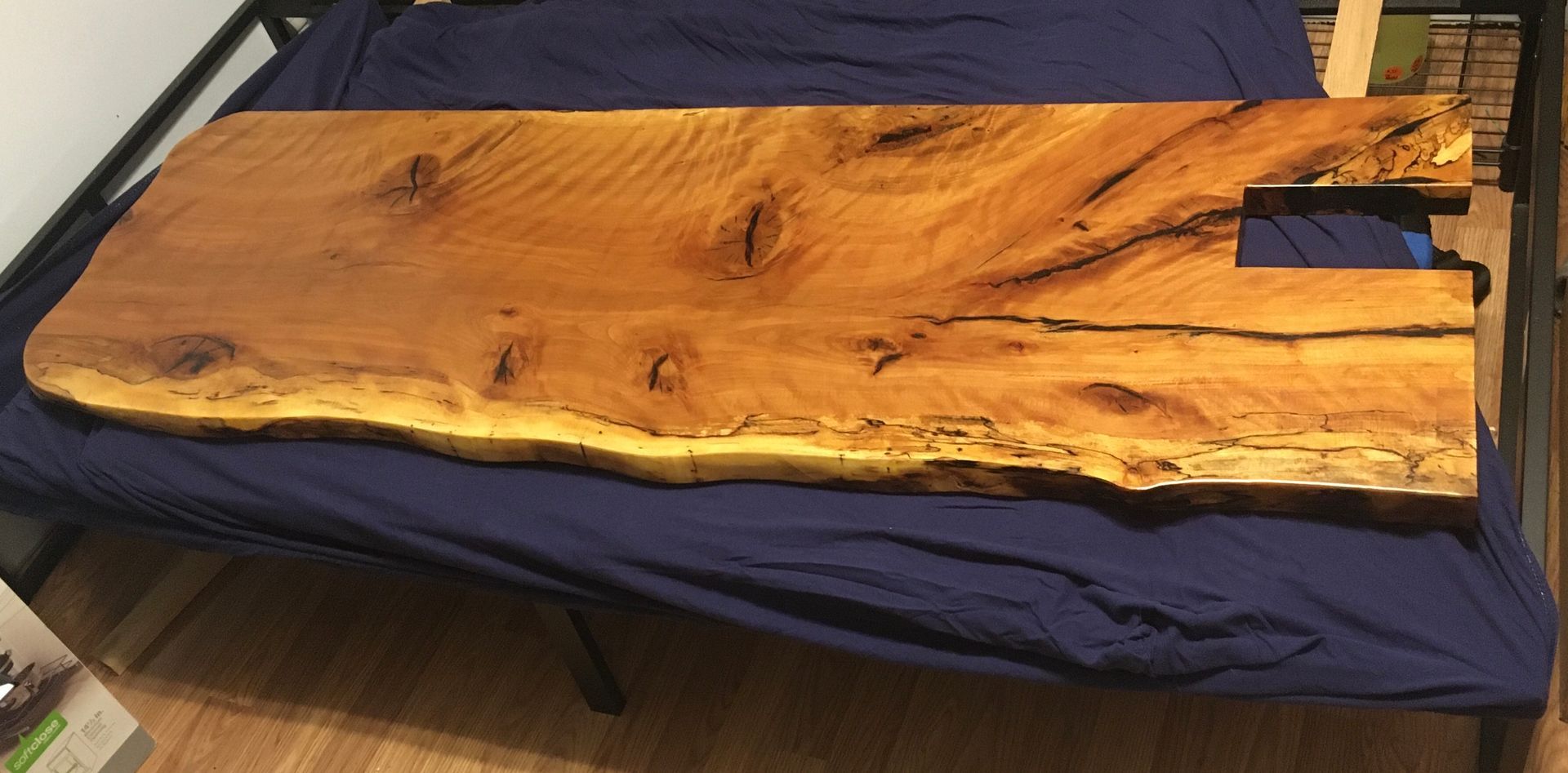
One of the most appealing qualities of natural wood is that its color is rarely uniform. A single slab can contain pale outer sections, rich darker areas, streaks, mineral lines, knots, and dramatic grain changes that developed over decades of growth.
Two of the biggest contributors to that variation are sapwood and heartwood.
Understanding the difference between them can help explain why custom live edge furniture has so much natural depth and why some slabs immediately stand out before any stain or finish is applied.
Sapwood Is the Younger Outer Wood
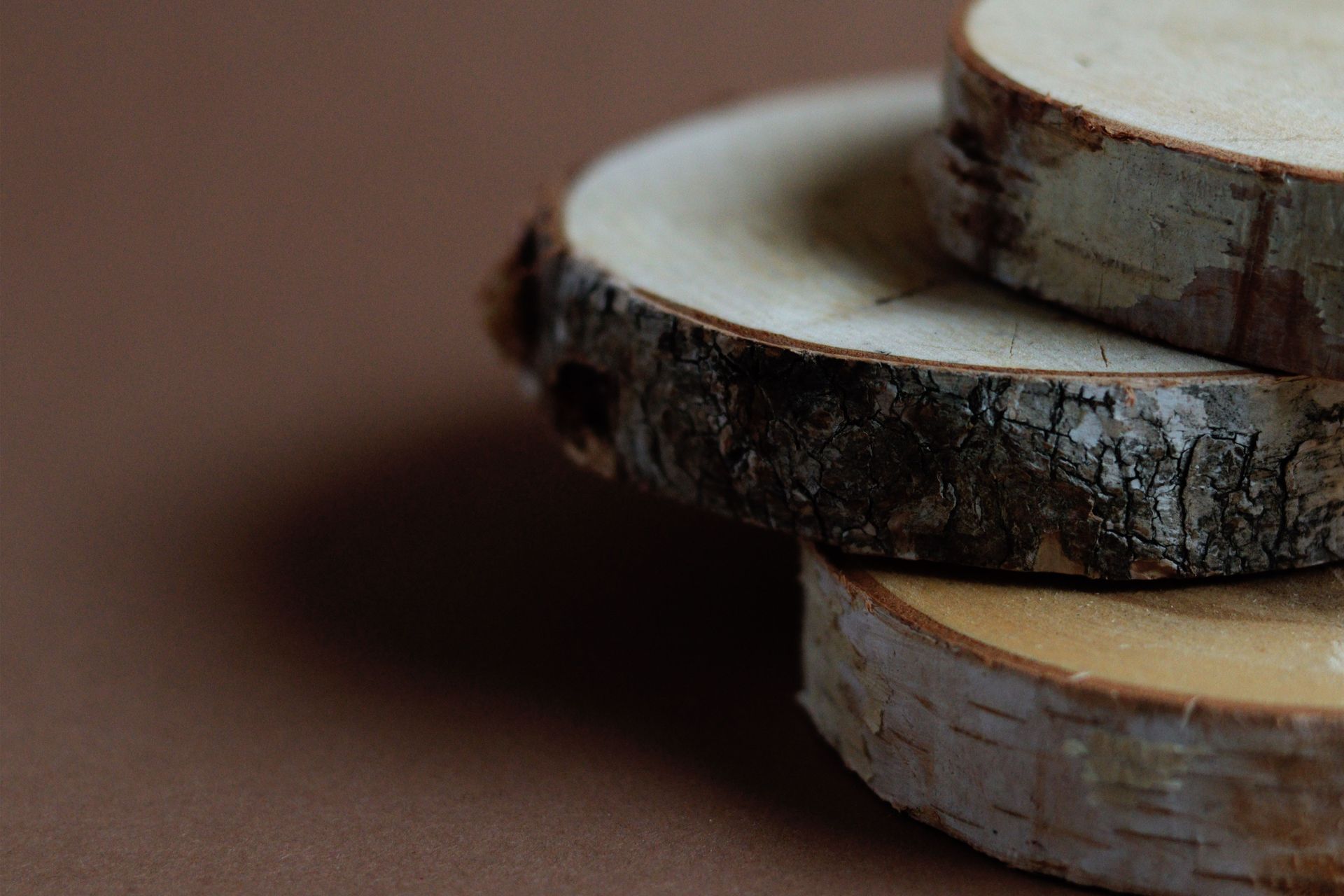
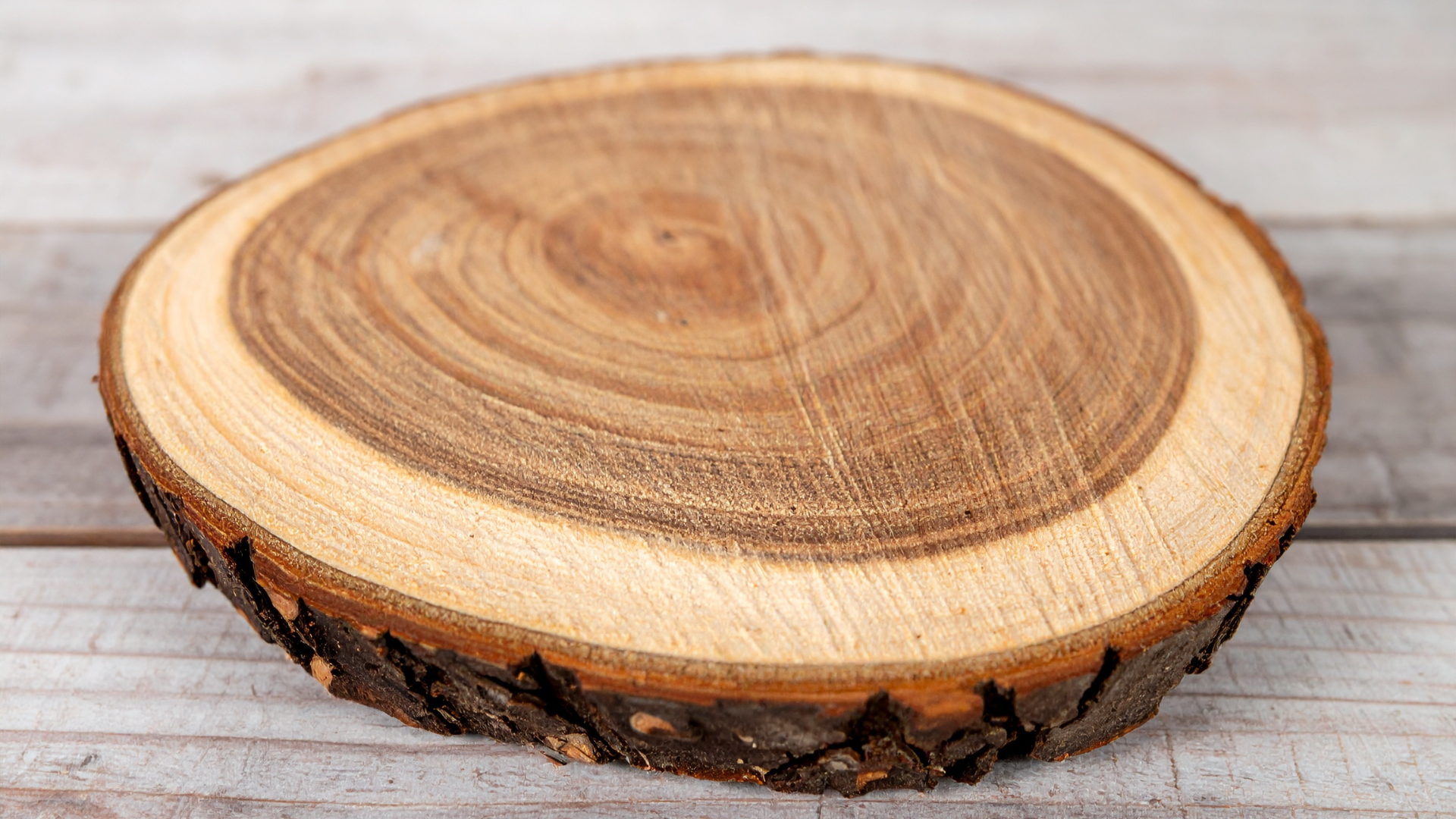
Sapwood is found closer to the outside of the tree.
While the tree is growing, this lighter-colored wood helps move water and nutrients through the trunk. Because it is newer growth, sapwood often appears noticeably paler than the wood toward the center.
Depending on the species, it may be cream, light tan, pale yellow, or another soft natural tone.
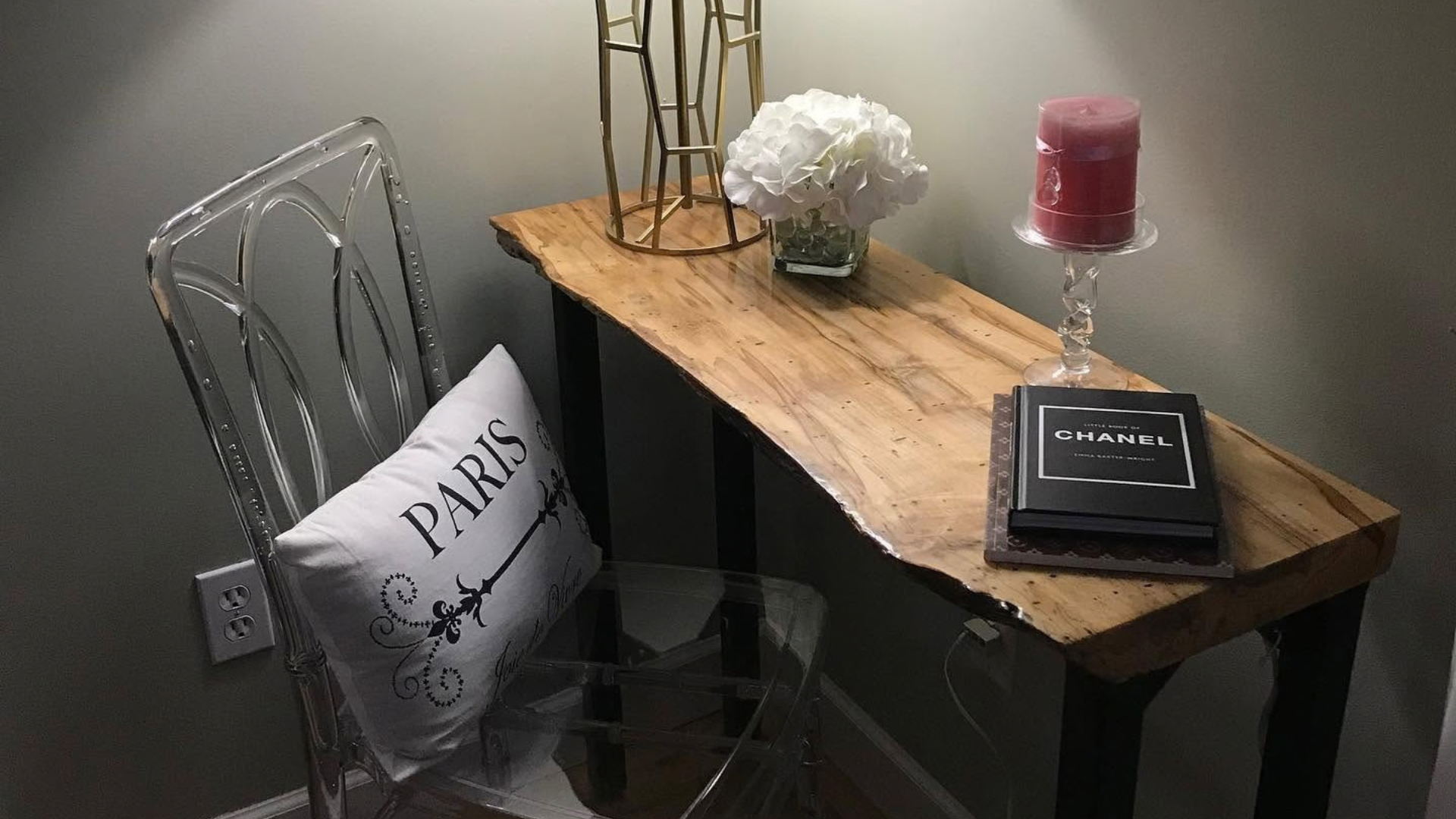
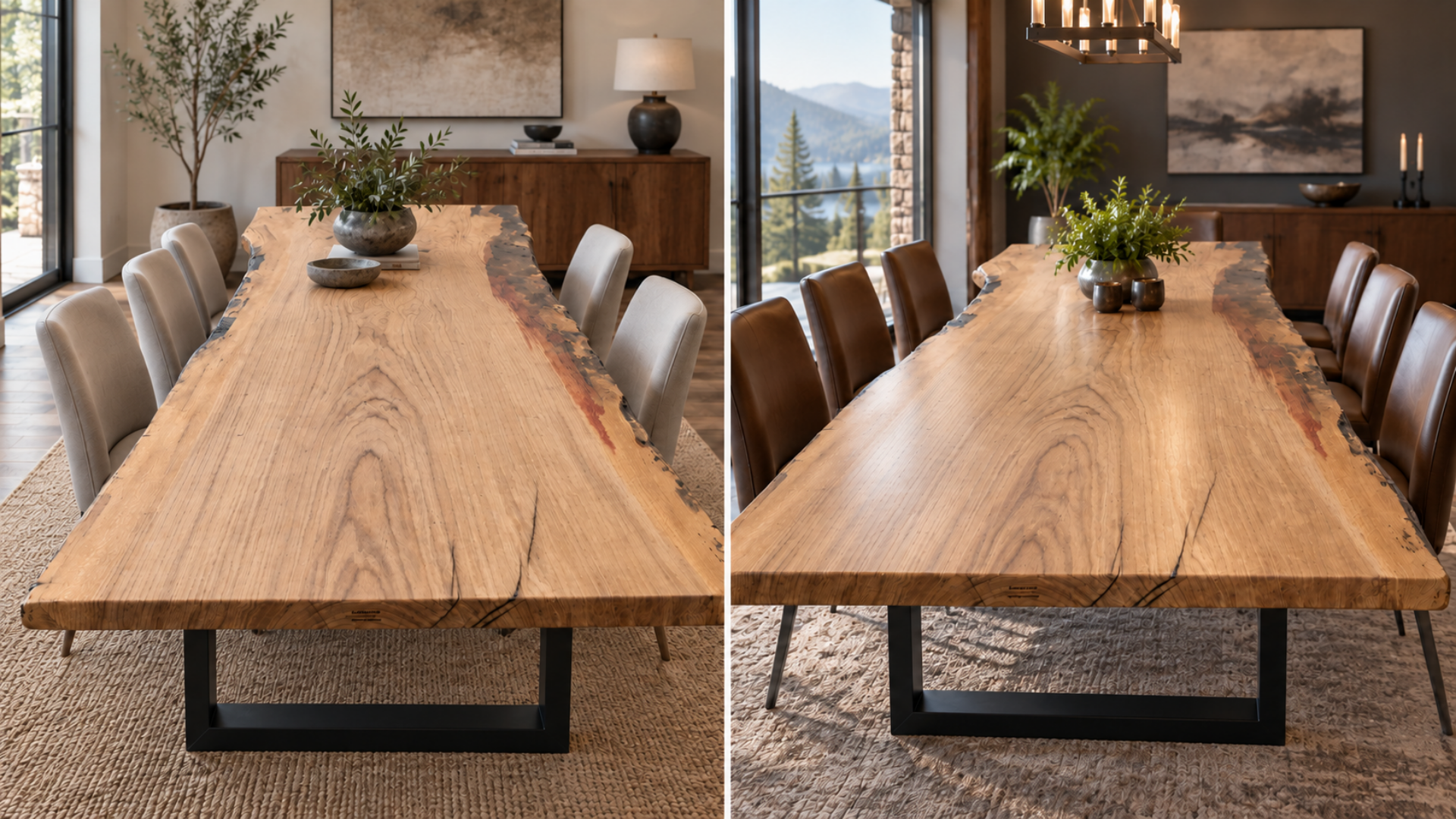
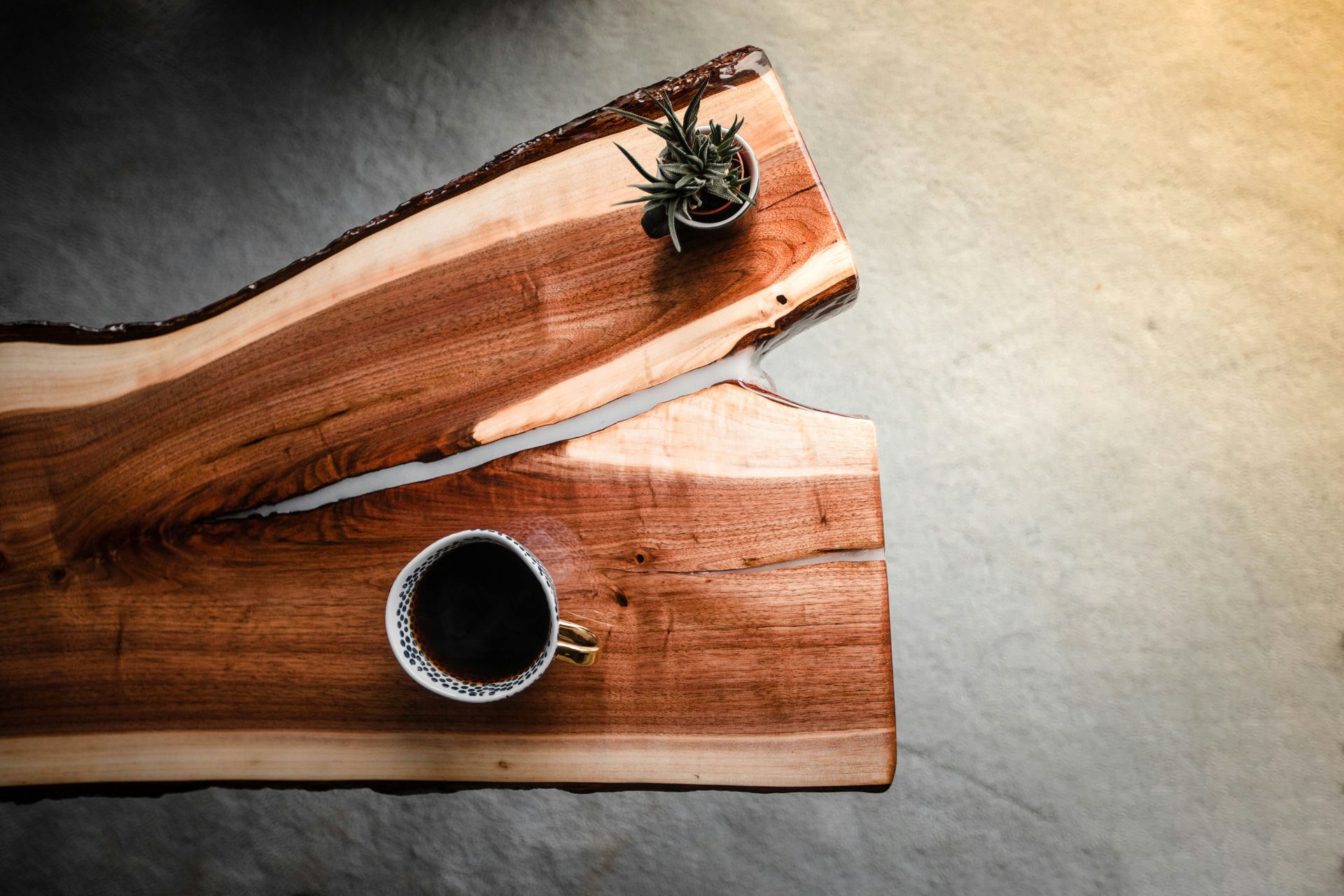
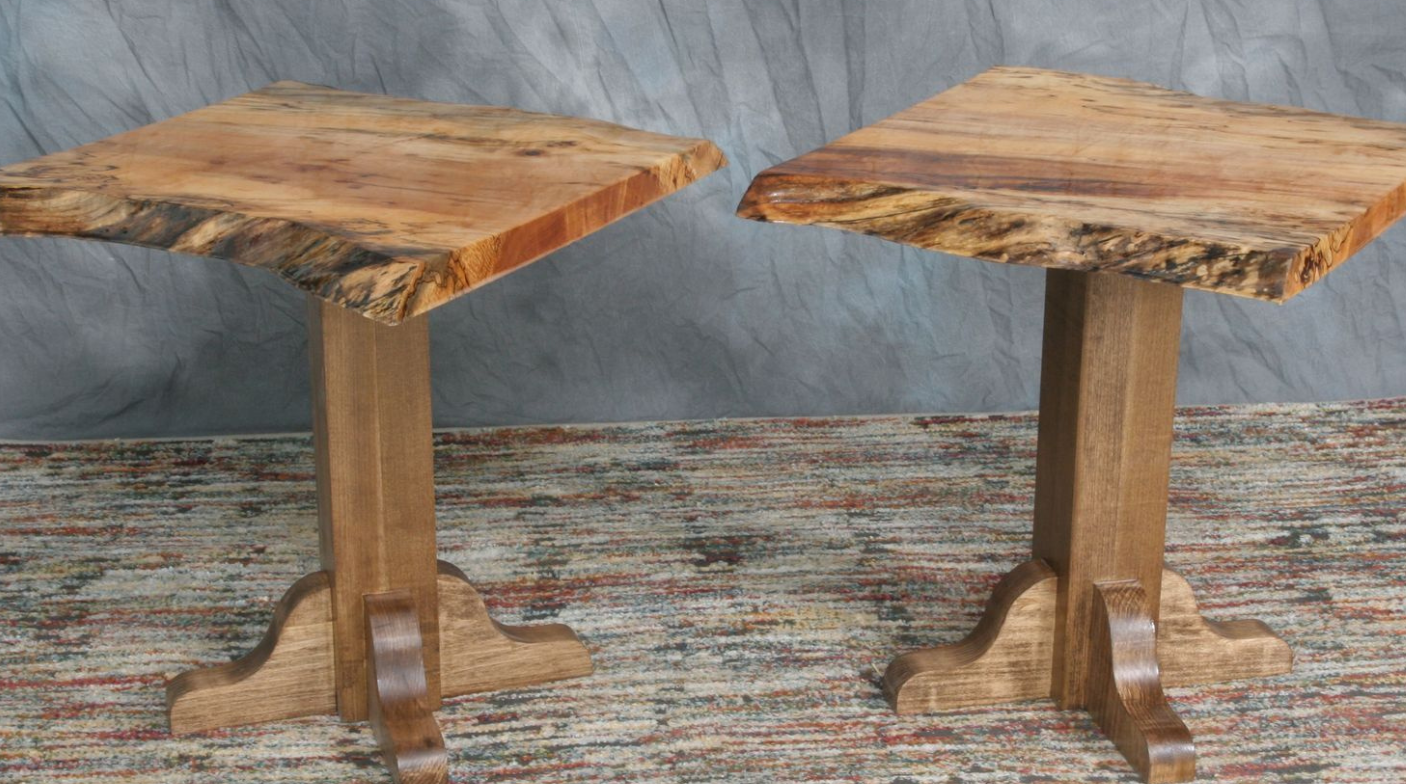
When incorporated into a table, desk, or countertop, sapwood can create a striking border along the edge of the slab.
Heartwood Develops Toward the Center
Heartwood forms from older interior wood that is no longer actively transporting water.
As the tree matures, chemical changes within this wood can deepen its color and alter its appearance.
In many species, heartwood is significantly darker than sapwood.
Walnut is a well-known example, with rich brown heartwood that may sit directly beside much lighter sapwood.
Other native hardwoods can display their own variations in tone and pattern.
The Contrast Is Completely Natural
The transition between sapwood and heartwood is not a manufactured effect.
It is part of the tree's growth history.
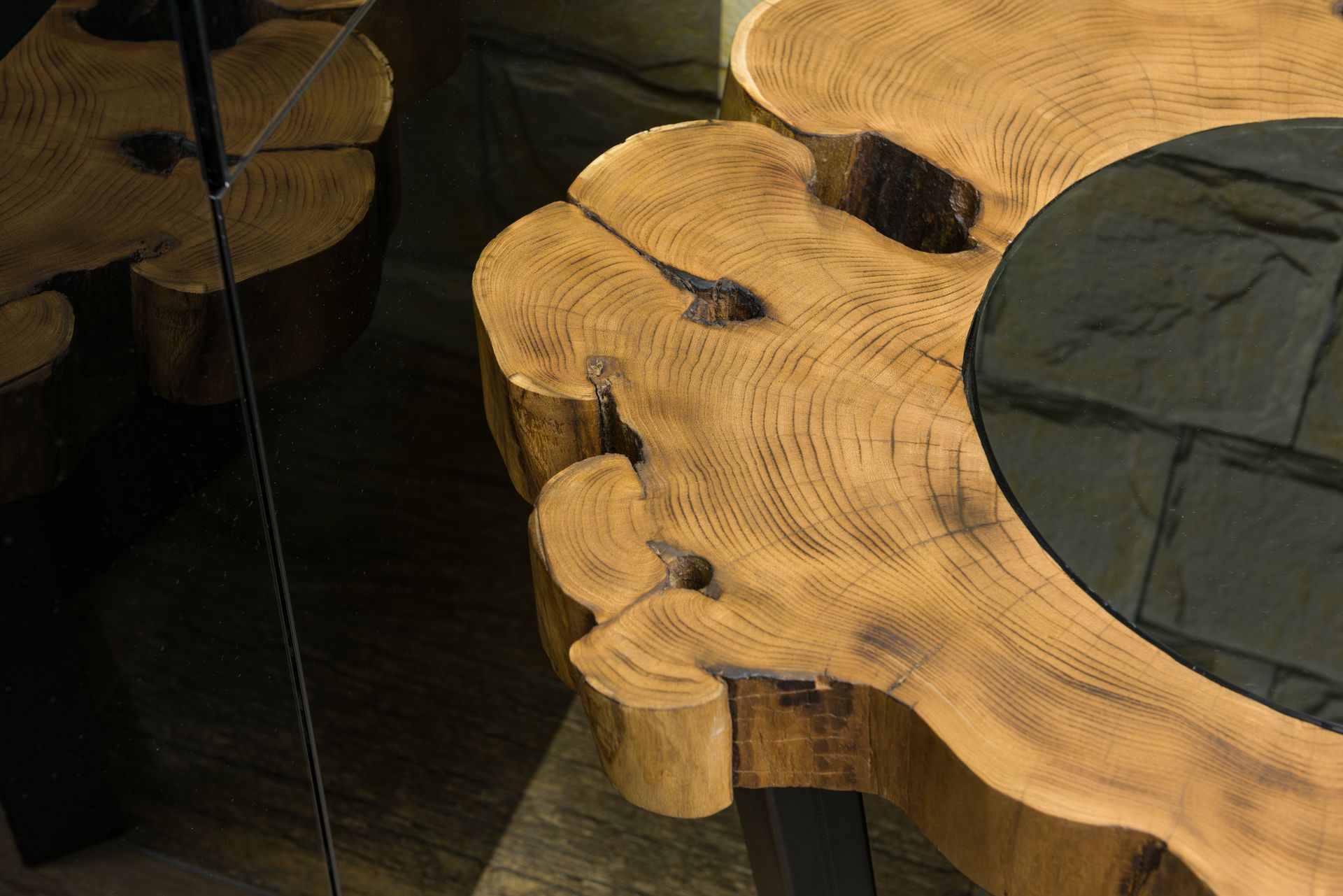
That natural contrast can create visual movement across the slab without the need for complicated finishing techniques.
One side of a tabletop may shift gradually from pale wood into darker grain, while another section may form a sharp contrast.
Those differences are part of what makes every slab unique.
Natural Variation Can Guide the Design
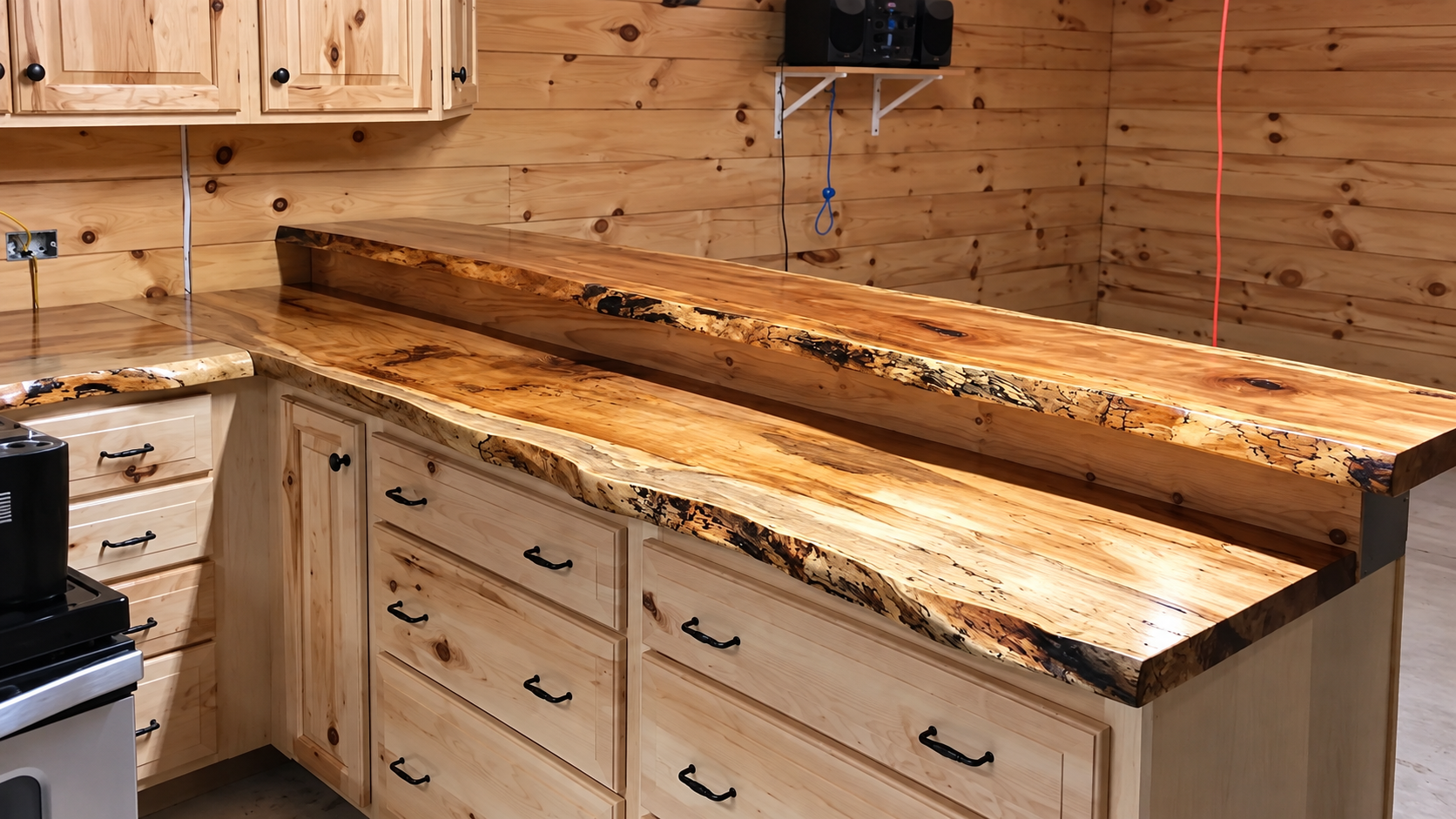
At Specialty Slab Wood Creations, the shape and coloration of a slab can influence how the final piece is designed.
A dramatic sapwood edge may be positioned where it will remain highly visible.
A darker heartwood section may become the visual center of a dining table or desk.
Instead of forcing every slab into the same appearance, custom woodworking allows the natural features of the wood to become part of the design itself.
Finish Can Enhance the Difference
A carefully selected finish can deepen the natural tones in both sapwood and heartwood.
The goal does not always have to be making the entire surface look uniform.
In many live edge pieces, preserving the contrast is what gives the furniture character.
A clear or natural-toned finish can reveal grain patterns and color transitions that may have looked subtle in unfinished wood.
The result often feels richer without looking artificial.
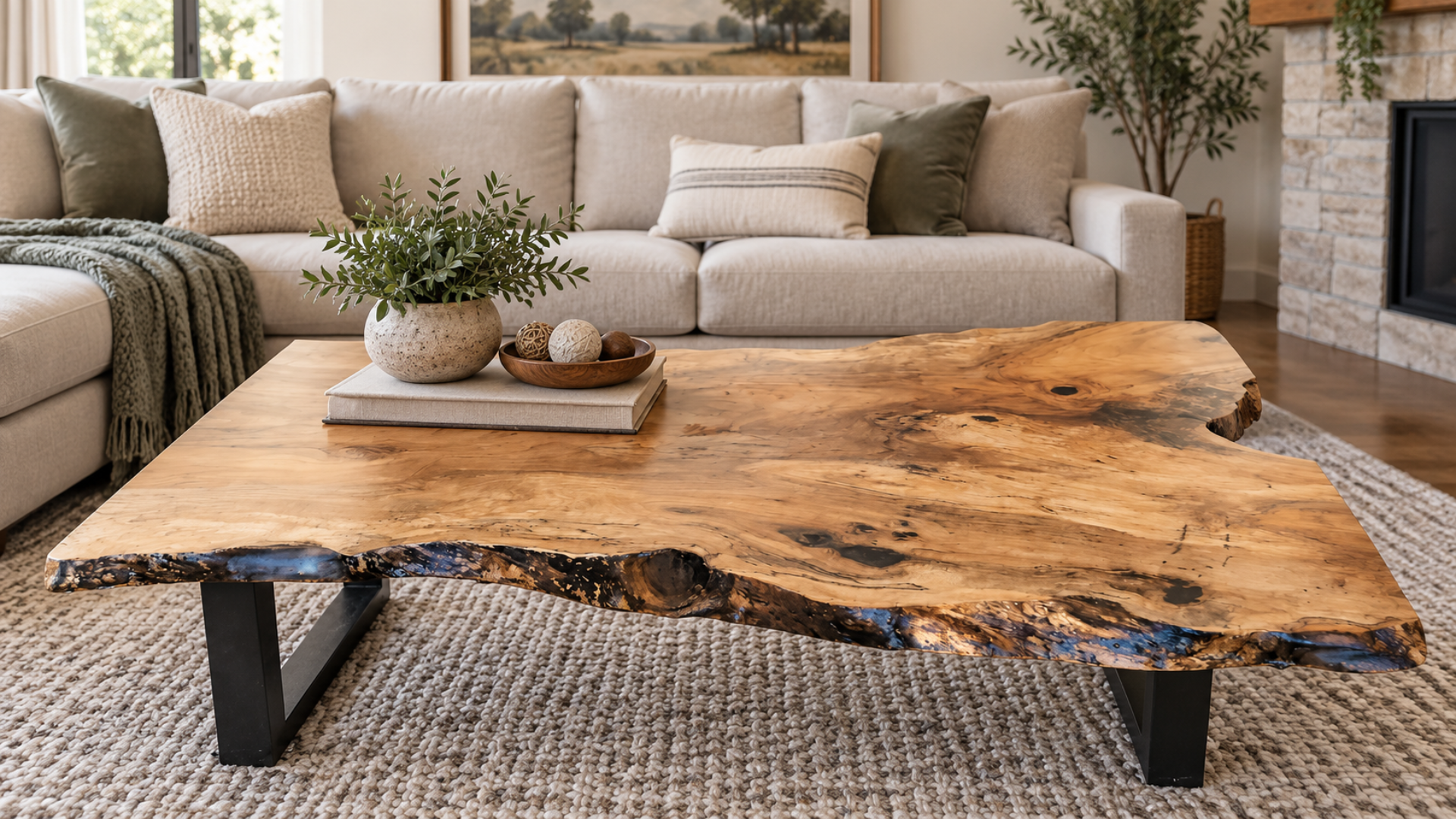
Contrast Works With Many Interior Styles
Sapwood and heartwood variation is not limited to rustic furniture.
The contrast can work beautifully in contemporary, transitional, industrial, and traditional interiors.
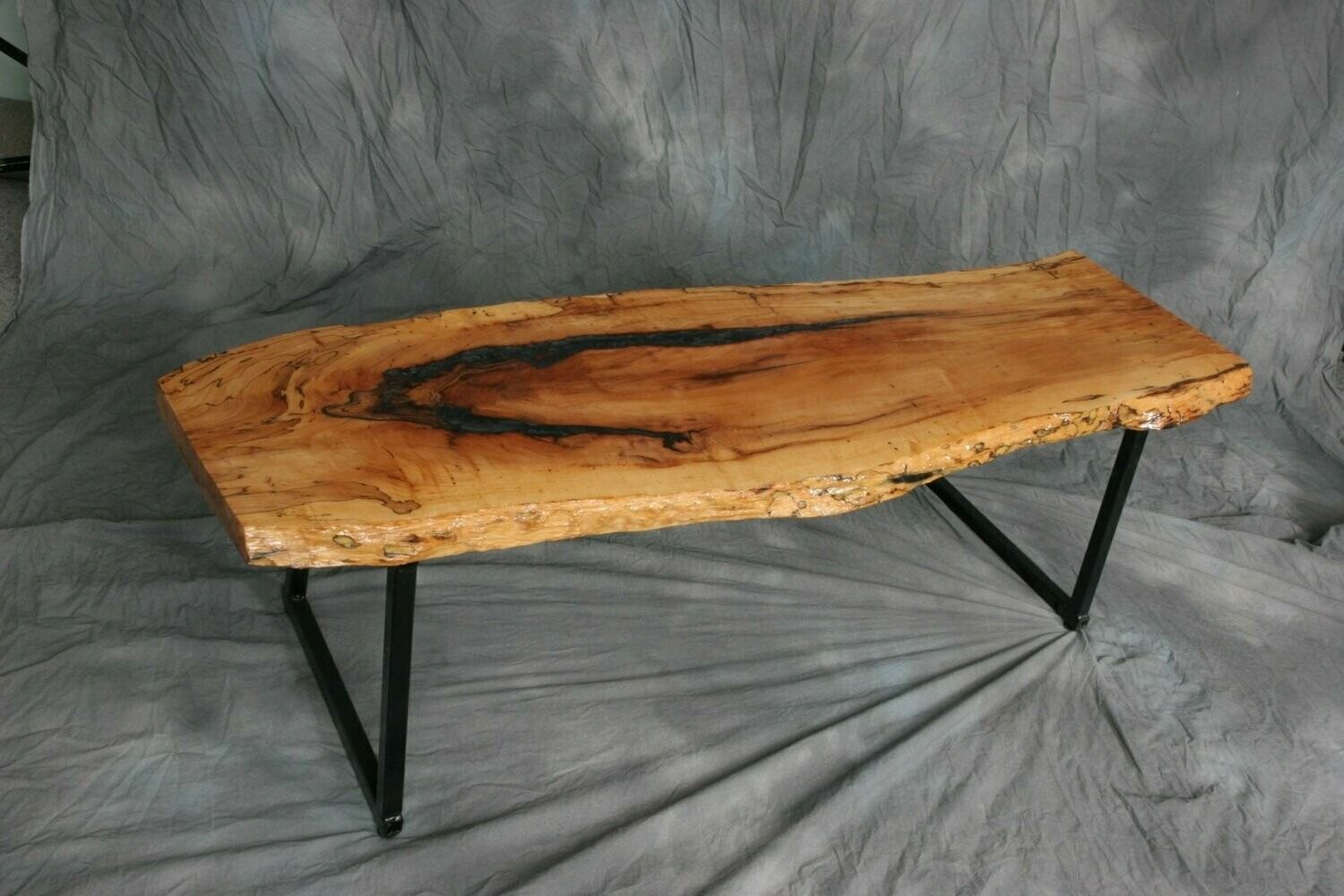
A simple metal base can make a naturally varied slab feel modern.
A more traditional wood base may emphasize warmth and craftsmanship.
The slab itself provides much of the visual interest, which means the surrounding design can remain relatively simple.
No Two Pieces Develop the Same Way
Even two slabs cut from the same species can look completely different.
The amount of sapwood, heartwood color, grain movement, knots, growth patterns, and mineral staining can vary considerably.
That unpredictability is one of the reasons custom slab furniture feels different from mass-produced pieces.
The material is not trying to imitate consistency.
Its differences are part of its value.
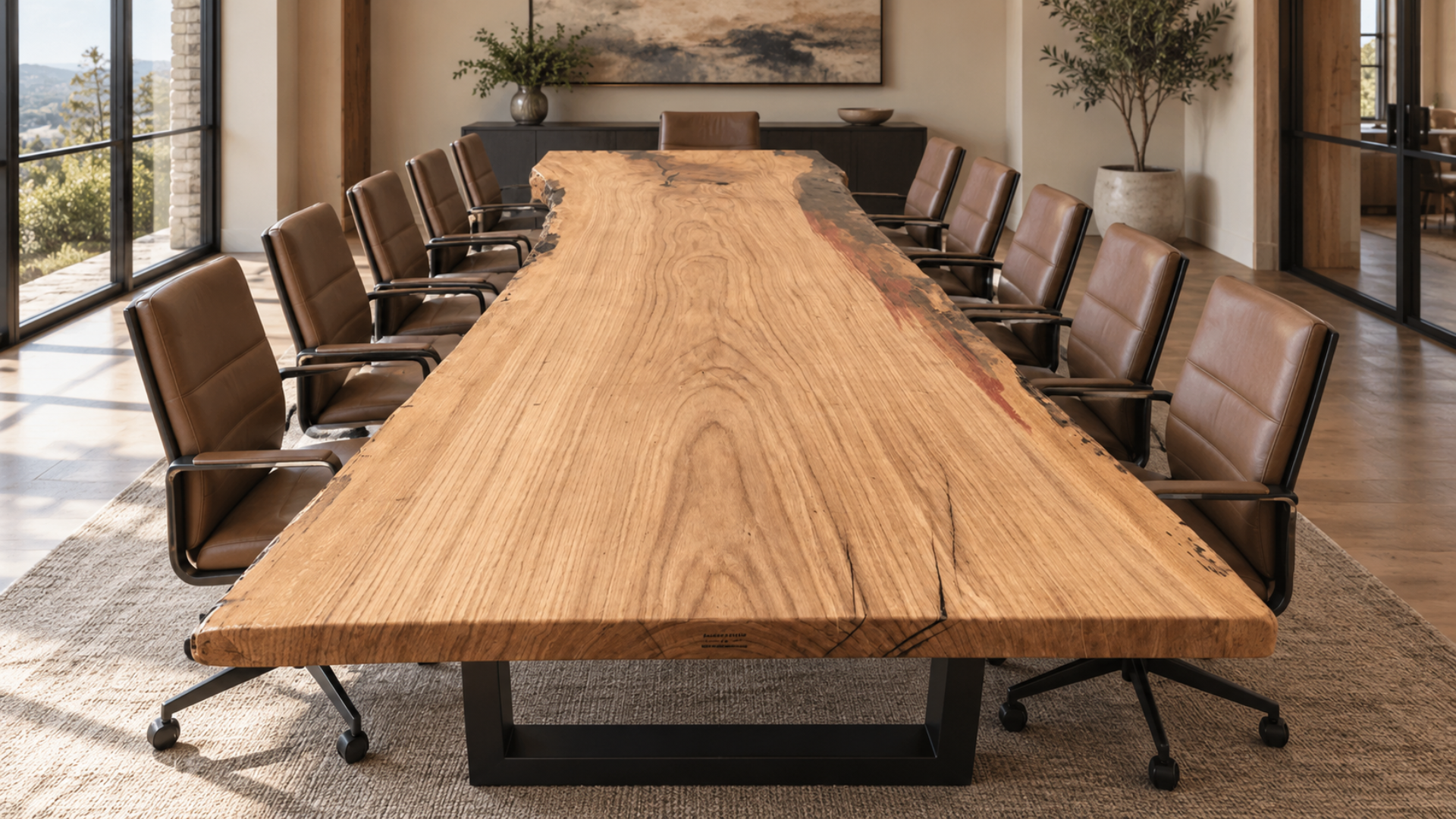
Let the Wood Tell Its Own Story
The contrast between sapwood and heartwood is a visible record of how a tree developed over time.
Rather than hiding those natural differences, thoughtful furniture design can make them part of the finished piece.
Specialty Slab Wood Creations creates handcrafted live edge tables, desks, island tops, headboards, serving pieces, and other custom furniture using locally sourced wood from West Virginia.
If you are looking for a one-of-a-kind piece with natural color variation, distinctive grain, and genuine character, contact Specialty Slab Wood Creations to discuss a custom design built around the wood itself.