How to Care for Live Edge Furniture

August 7, 2026

A handcrafted live edge table is much more than a functional piece of furniture. It is a one-of-a-kind work of art that showcases the natural beauty of solid hardwood, complete with distinctive grain patterns, organic edges, and unique character developed over decades of growth. With proper care, a quality live edge piece can remain beautiful for generations, becoming an heirloom that is enjoyed by family members for years to come.


Fortunately, caring for live edge furniture is relatively simple. By following a few basic maintenance practices, homeowners can help preserve the wood’s natural appearance while protecting their investment. At Slab Wood Creations, every custom piece is handcrafted from native West Virginia hardwoods with durability in mind, making proper care the final step in ensuring a lifetime of enjoyment.
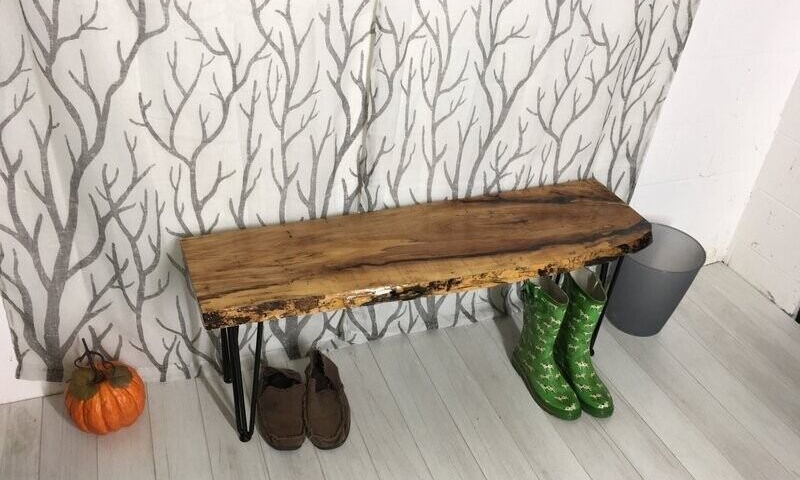
Wooden bench in a corner with boots underneath and a small pumpkin beside it

Clean With Gentle Products

Routine cleaning is one of the easiest ways to keep live edge furniture looking its best.


Dust the surface regularly using a soft microfiber cloth to prevent dirt and fine particles from accumulating. For routine cleaning, a slightly damp cloth is usually all that is needed. If additional cleaning is necessary, use a mild soap diluted with water and immediately dry the surface with a clean cloth.


Avoid abrasive cleaners, harsh chemicals, bleach, ammonia-based products, or scouring pads. These products can dull or damage the protective finish and may affect the wood’s natural appearance over time.


Simple, gentle cleaning is often the most effective approach.
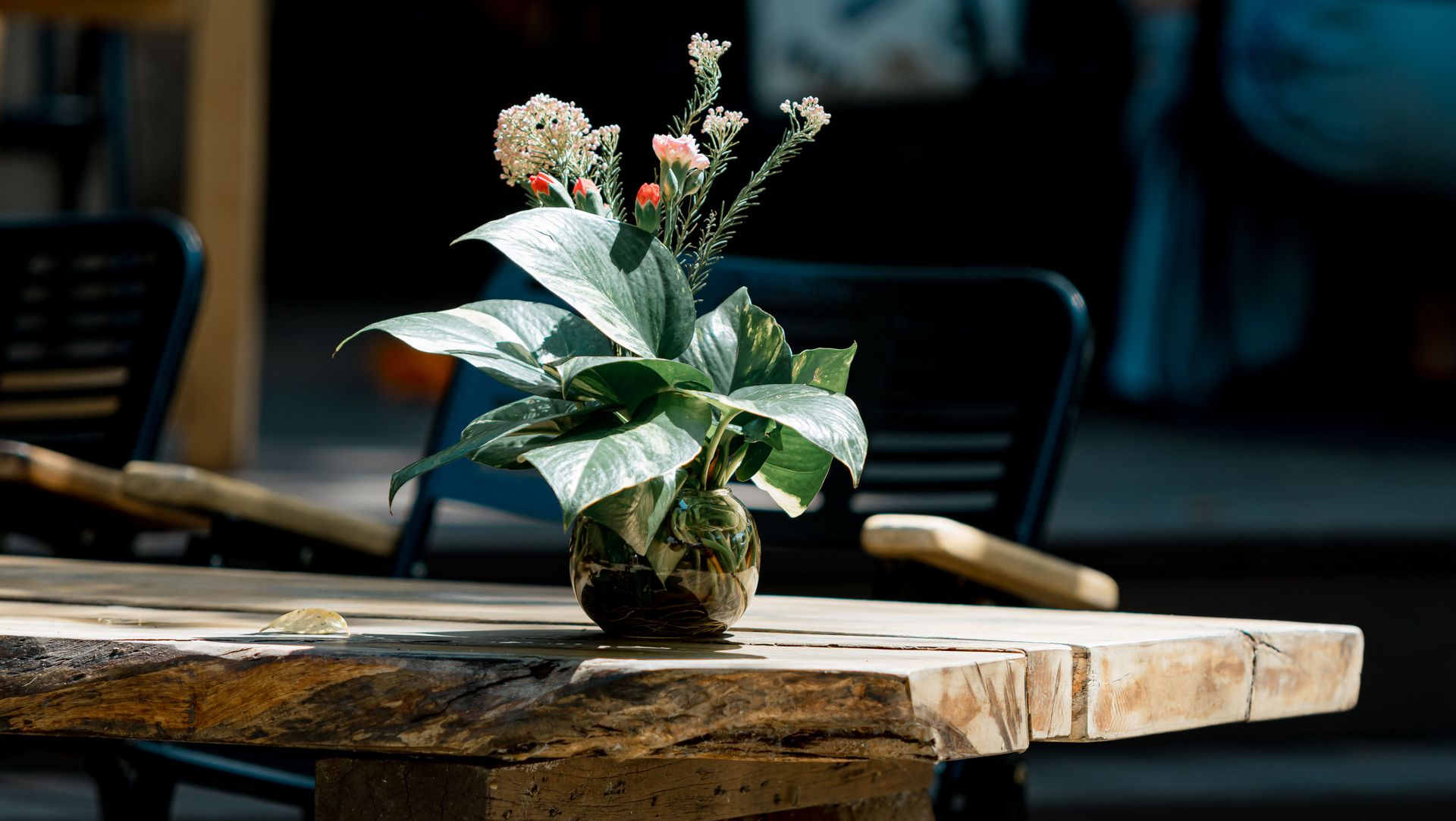
Small potted plant with white flowers on a rustic wooden table indoors

Protect the Surface During Everyday Use

Although hardwood furniture is extremely durable, no wood surface is completely immune to everyday wear.


Using coasters beneath beverages helps prevent moisture rings, while placemats and trivets protect the surface from hot dishes, cookware, and serving pieces. Decorative accessories with rough bottoms should also be placed on protective pads to reduce the risk of scratches.


These small habits go a long way toward preserving the finish while allowing the furniture to remain part of everyday life.
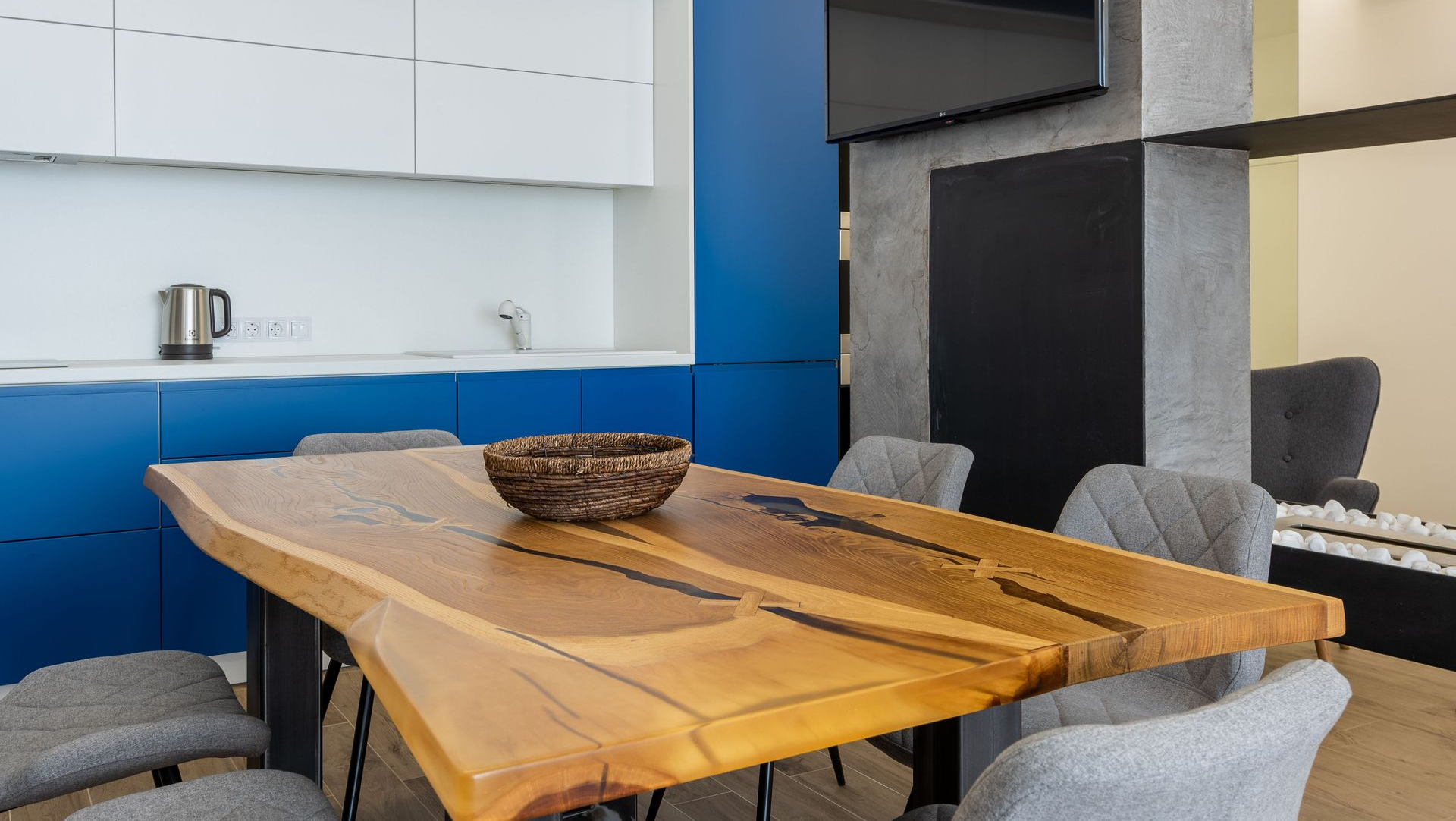
Modern dining area with a wooden table, gray chairs, and a bowl centerpiece beside a blue wall.

Understand That Wood Naturally Changes

Solid hardwood is a natural material that continues to respond to its environment long after the tree has been harvested.


Seasonal changes in humidity may cause the wood to expand or contract slightly throughout the year. This natural movement is expected and is one reason handcrafted furniture is designed to accommodate these changes.


Maintaining a relatively stable indoor environment helps minimize unnecessary movement while supporting the long-term stability of the piece. Excessively dry or humid conditions can place additional stress on solid wood furniture over time.


Understanding that wood is a living, natural material helps owners appreciate the unique characteristics that make every live edge piece special.
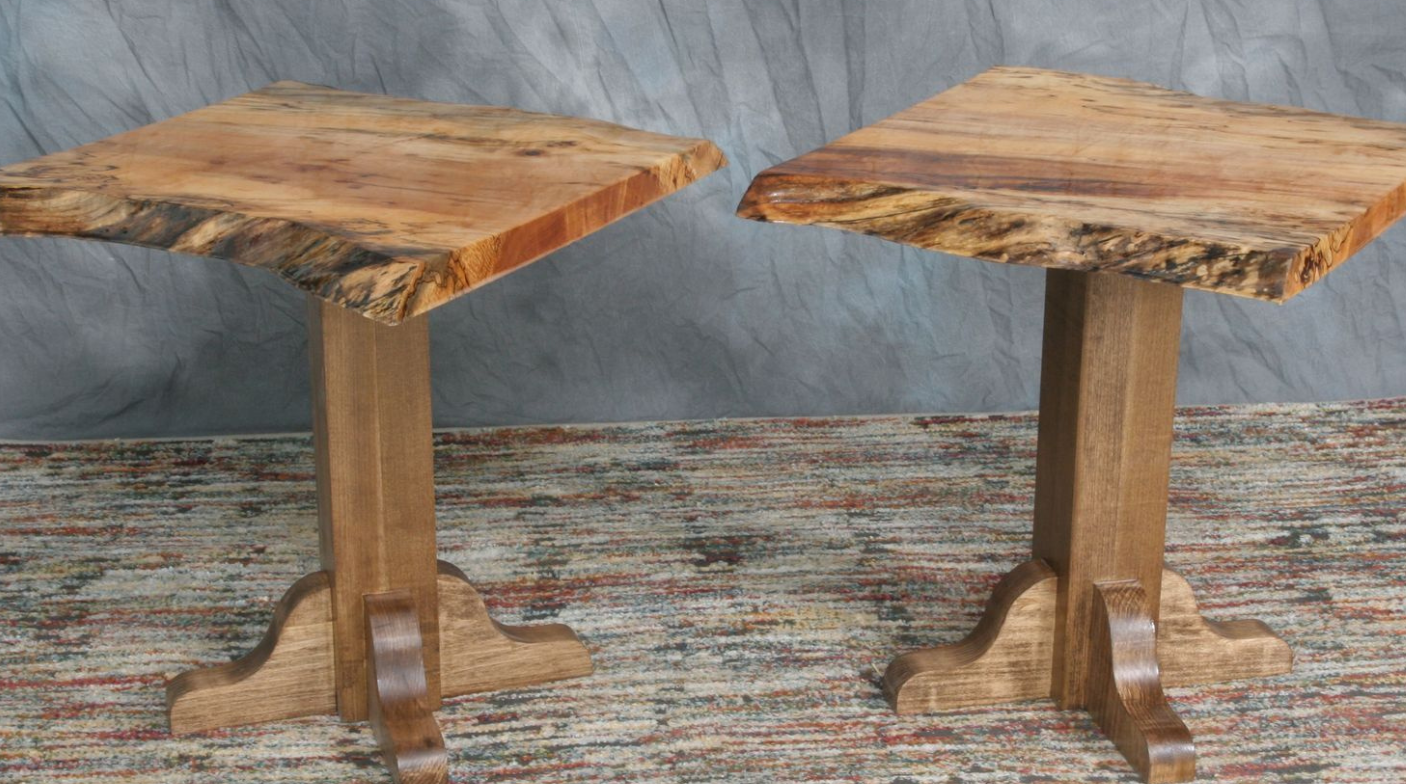
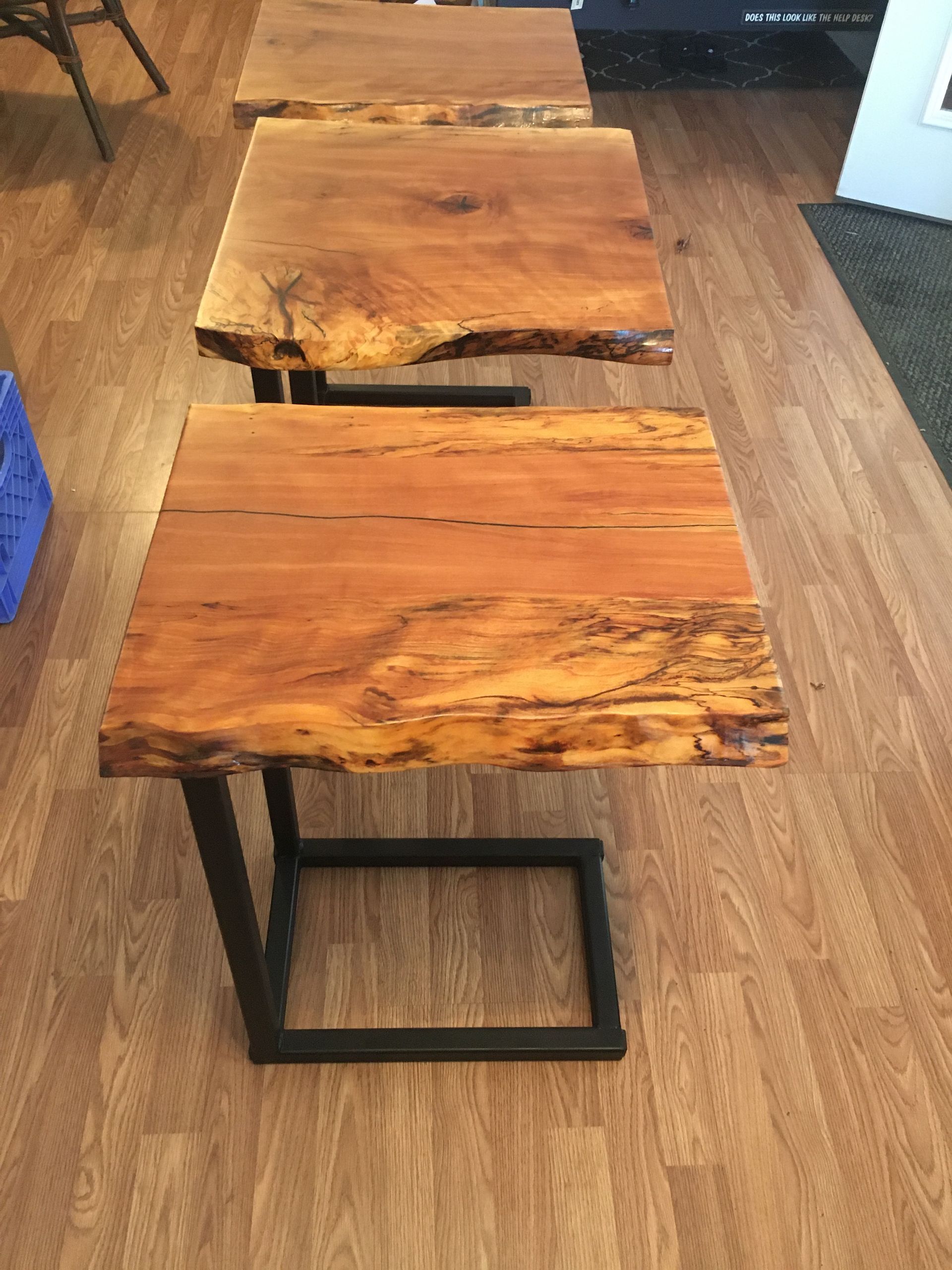
Two rustic wooden pedestal tables with square tops on a patterned rug

Keep Furniture Away From Extreme Conditions

Where furniture is placed can have a significant impact on its long-term appearance.


Avoid positioning live edge furniture directly against heating vents, fireplaces, radiators, or areas that receive prolonged direct sunlight. Excessive heat and ultraviolet exposure can gradually affect both the wood and its protective finish.


Likewise, standing water should never be allowed to remain on the surface for extended periods. Promptly wiping up spills helps preserve both the finish and the natural beauty of the wood.


Providing a stable indoor environment allows handcrafted furniture to age gracefully for decades.
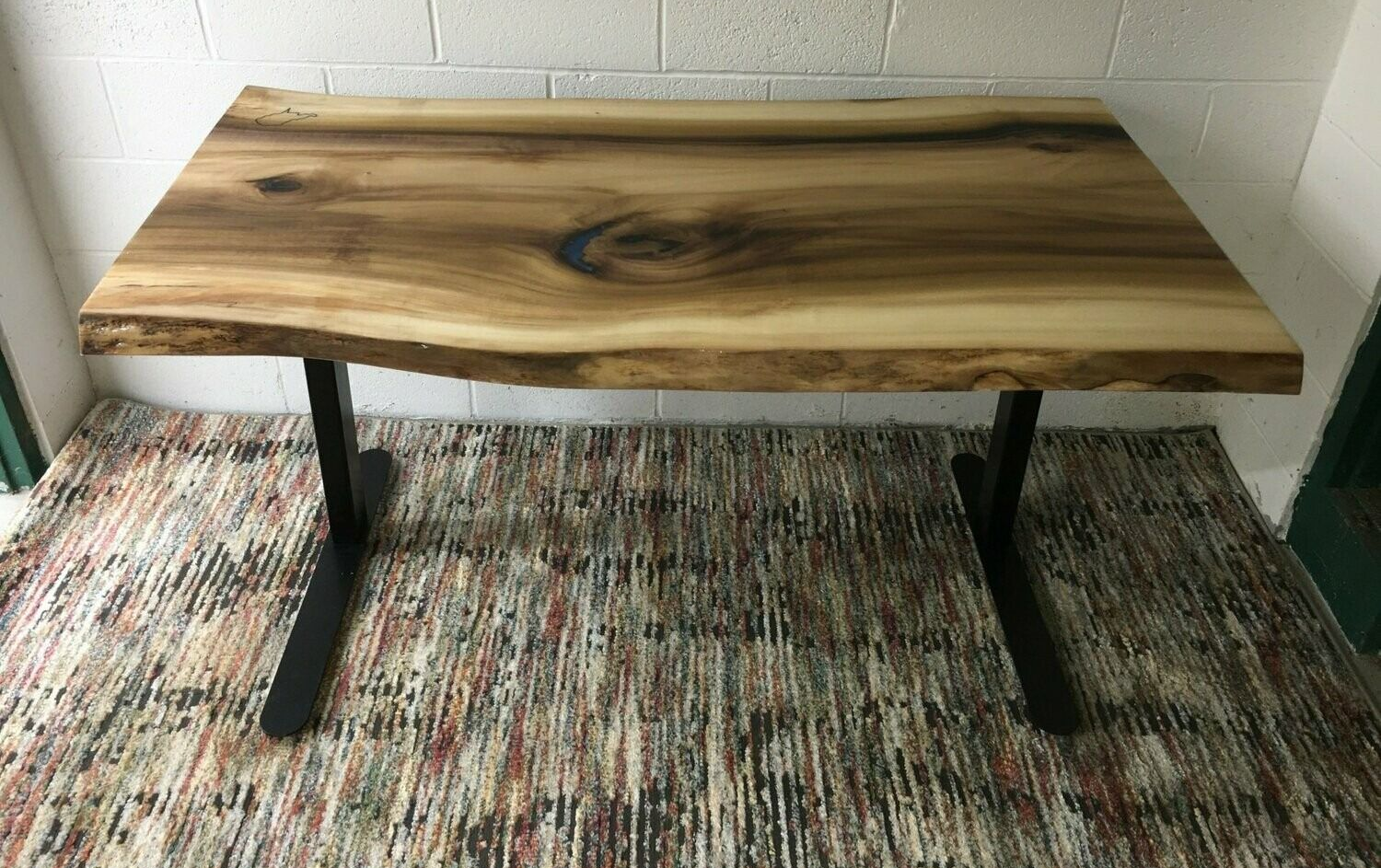
Wood slab table with black metal legs on a patterned rug against a white wall

Appreciate the Character That Develops Over Time

Unlike mass-produced furniture made from manufactured materials, solid hardwood develops additional character as it ages.


Subtle changes in color, grain, and patina are part of the natural aging process and contribute to the unique story of each piece. Rather than diminishing its beauty, these gradual changes often enhance the furniture’s warmth and individuality.


Because no two slabs are identical, every handcrafted table, desk, or island top develops its own distinctive appearance over time.


Preserve an Heirloom for Future Generations

Slab Wood Creations proudly handcrafts custom live edge tables, desks, kitchen island tops, headboards, serving trays, and other one-of-a-kind furniture from native West Virginia hardwoods. Every piece is built with exceptional craftsmanship and designed to last for generations. If you are ready to create a custom furniture piece that combines natural beauty with heirloom-quality construction, contact Slab Wood Creations today to begin designing your perfect project.
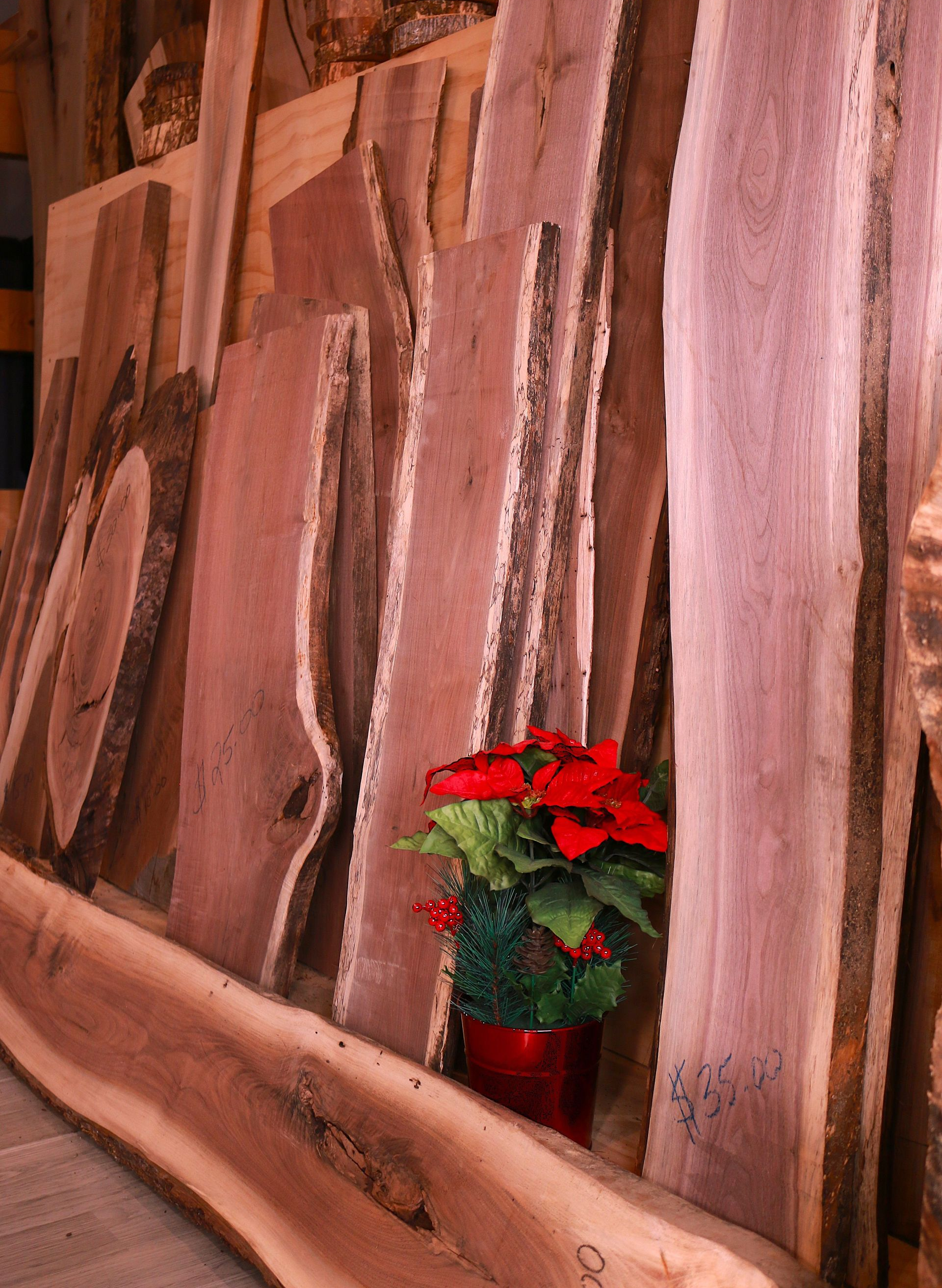
Red flowers in a small pot against a rustic wooden wall
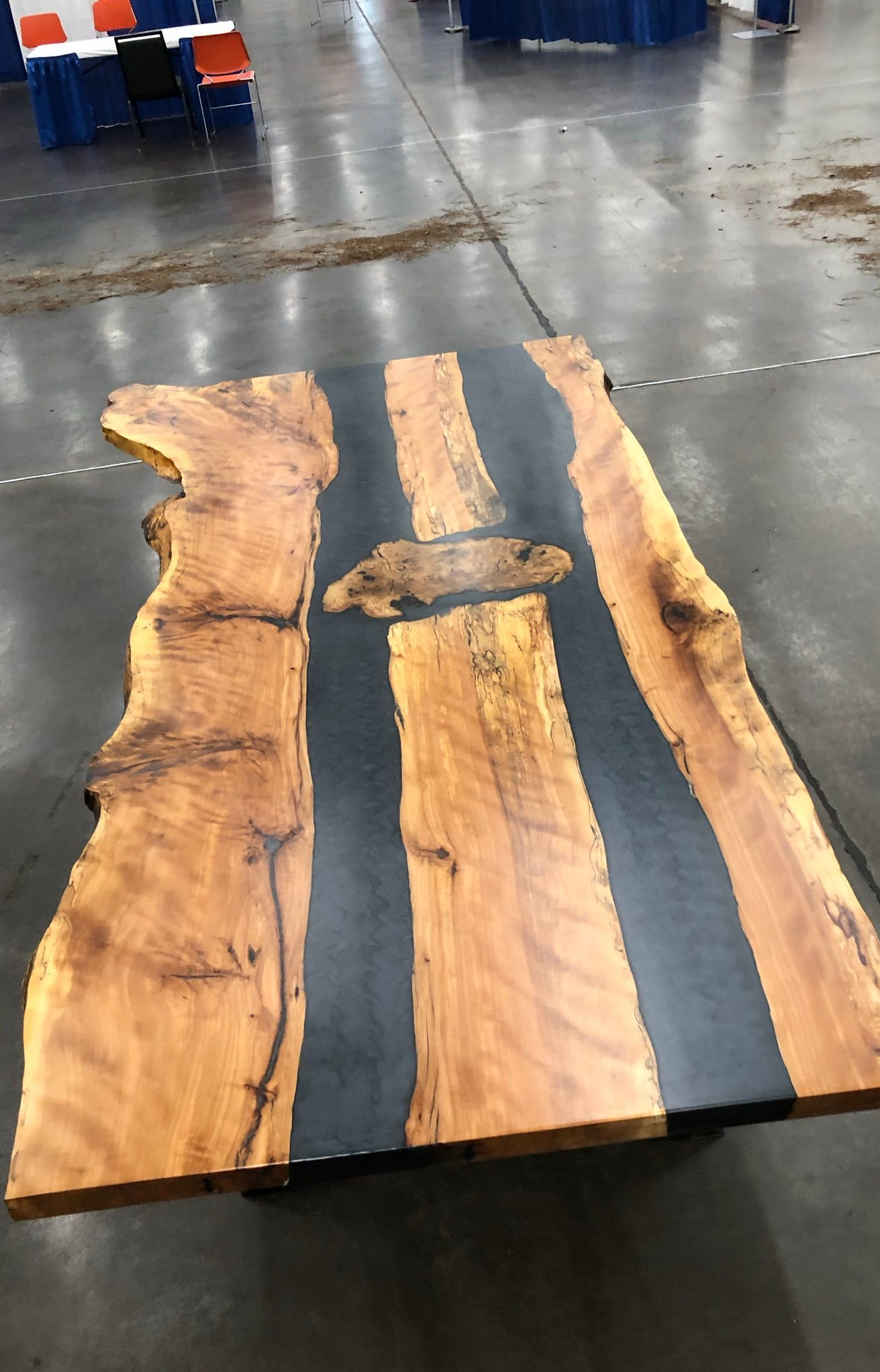
Wooden slab with dark resin stripes on a concrete floor in an indoor workshop.
Two rustic wooden side tables with black metal legs on a hardwood floor
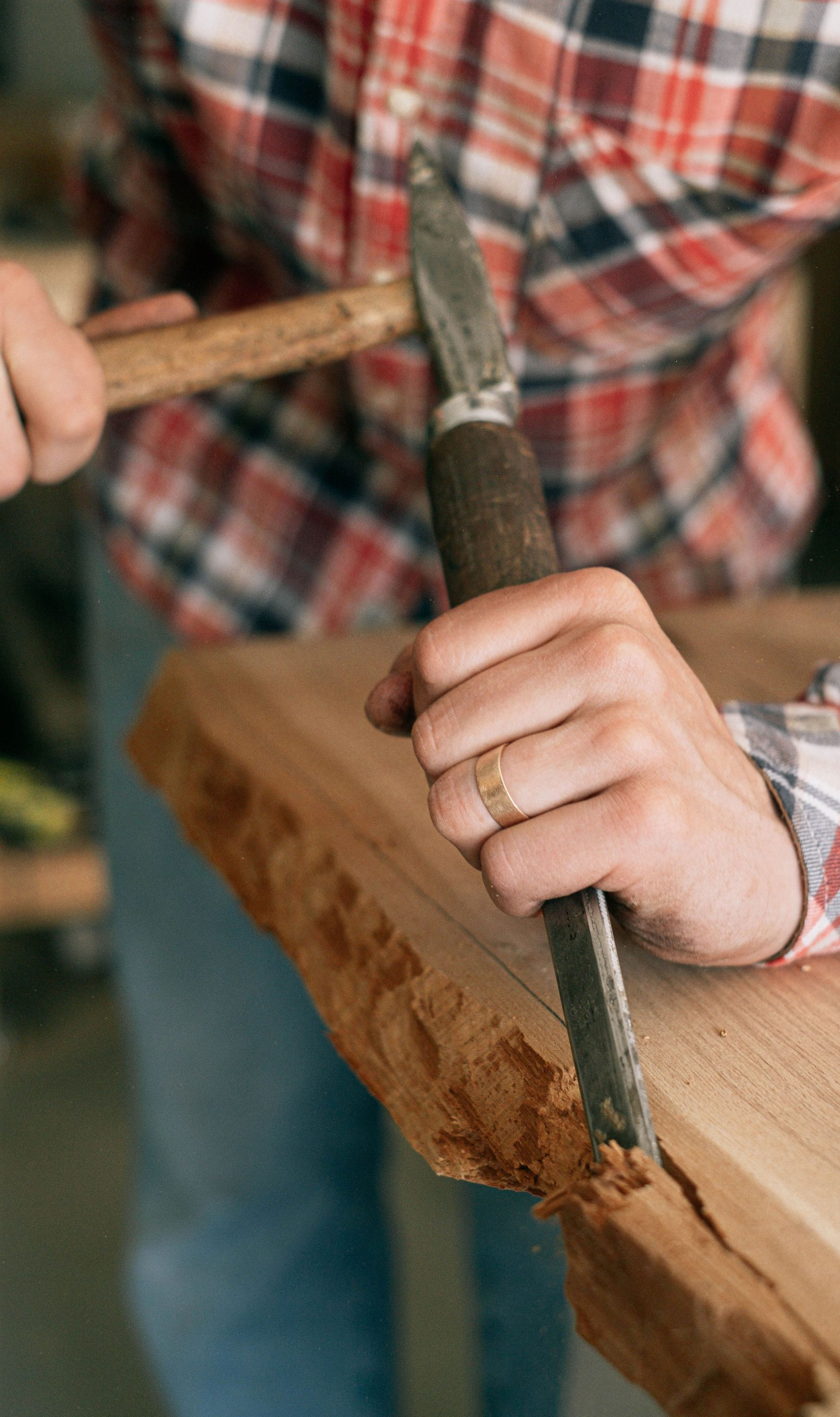
Person chiseling wood with a hammer and chisel on a timber beam in a workshop
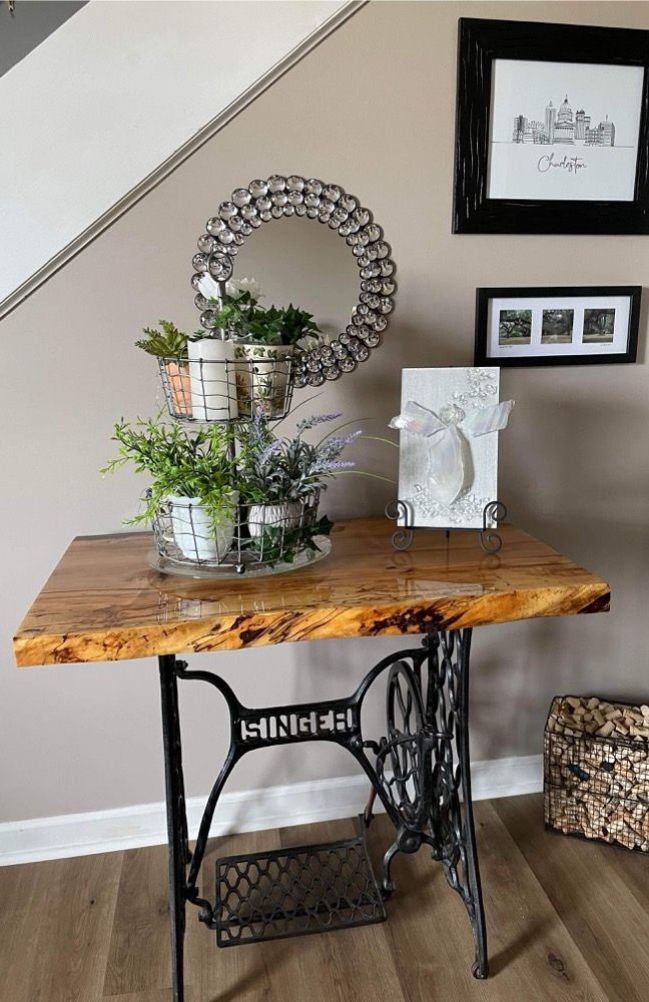
Decorated wooden console table with plants and framed art against a staircase wall
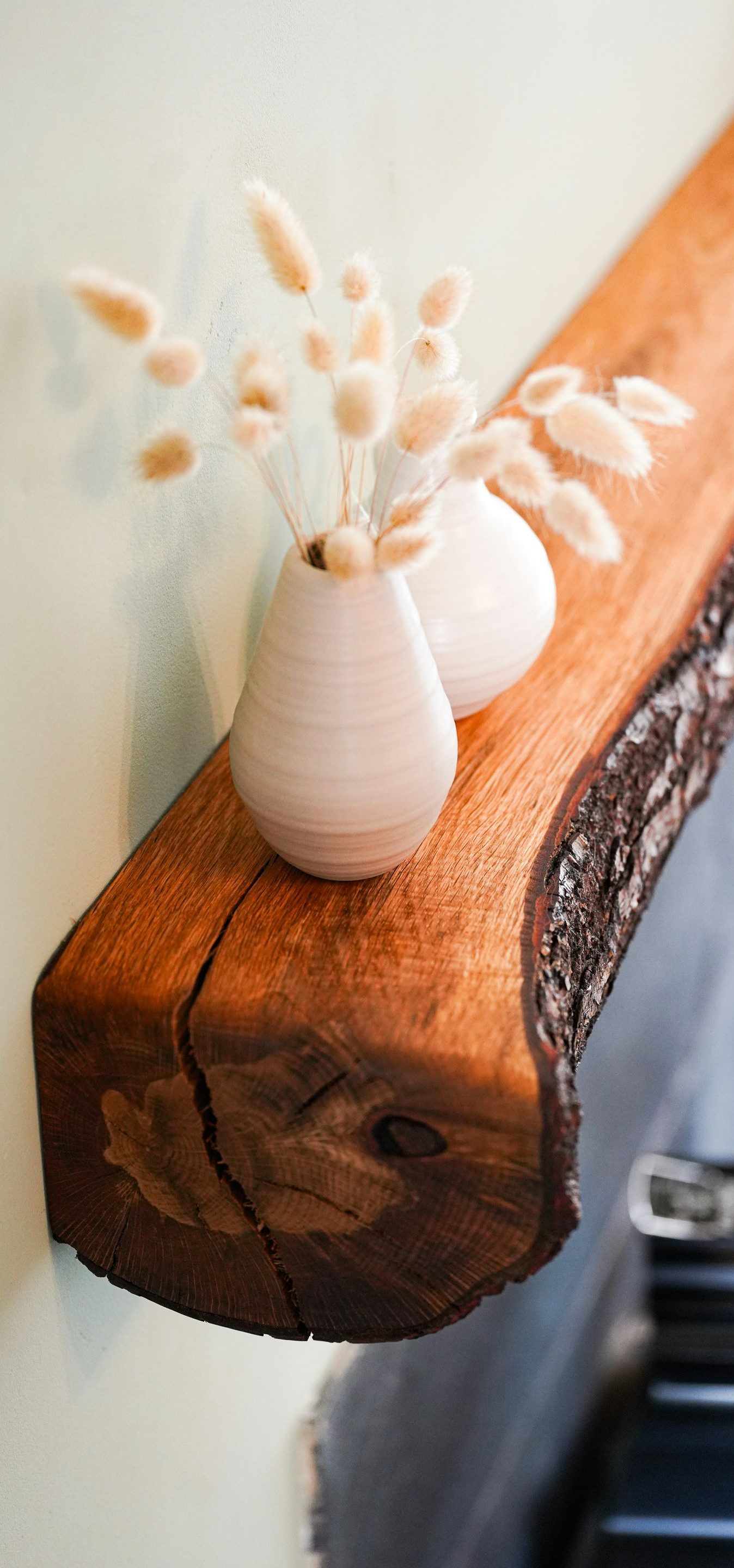
Small white vase with dried flowers on a rustic wooden shelf
August 28, 2026
Live edge furniture has a natural ability to command attention. Unlike factory-made pieces with uniform surfaces and predictable dimensions, every slab has its own grain, edge profile, color variation, knots, and natural imperfections. When the goal is to create a true focal point, choosing the right slab becomes especially important. Specialty Slab Wood Creations works with native West Virginia wood to create one-of-a-kind tables, desks, island tops, headboards, and other custom pieces designed around the individual character of each slab. Look for Strong Grain Movement One of the first things to consider is the grain . Some slabs have relatively straight, subtle grain patterns, while others feature sweeping lines, cathedral patterns, curls, waves, or dramatic color changes. If you want the finished piece to immediately draw the eye, a slab with strong grain movement can provide natural visual interest without requiring excessive ornamentation.  The best choice depends on the room. In a minimalist space, bold grain can become the primary decorative feature. In a busier interior, a more controlled grain pattern may create better balance.
August 23, 2026
Choosing the right wood is one of the most important decisions when designing live edge furniture. The species affects everything from color and grain to durability, edge character, and the overall mood of the finished piece. Some woods create a bold, dramatic table, while others produce a lighter and more understated look. Specialty Slab Wood Creations handcrafts live edge furniture using native West Virginia wood, allowing the natural character of each slab to become part of the design. While beauty is subjective, several hardwoods consistently stand out for their grain, color, and ability to make exceptional live edge pieces. 1. Black Walnut: Rich and Dramatic Black walnut is one of the most recognizable woods used in custom furniture. Its heartwood typically ranges from medium brown to deep chocolate, sometimes with darker streaks or subtle purplish tones. Lighter sapwood along the outer portions of the slab can create striking contrast, especially when preserved as part of a live edge. Walnut works particularly well for dining tables, desks, conference tables, and statement pieces because the grain tends to feel refined without looking overly formal.  For homeowners who want a darker, sophisticated piece with strong natural variation, walnut is difficult to beat.
August 13, 2026
Live edge furniture is often associated with rustic cabins, farmhouse interiors, and traditional woodworking, but it can also work beautifully in modern spaces. In fact, the contrast between a natural wood edge and a clean, contemporary room can make the furniture feel even more distinctive. Specialty Slab Wood Creations builds handcrafted live edge furniture using native West Virginia wood , combining natural materials with custom design. Whether the finished piece is a dining table, desk, coffee table, island top, or accent table, live edge furniture can bring warmth and character to modern interiors without disrupting a clean design aesthetic. Natural Wood Softens Clean Lines Modern interiors often rely on straight lines, smooth surfaces, neutral colors, and simple forms. That visual restraint can create a polished look, but too many hard surfaces can sometimes make a room feel cold or impersonal. Live edge wood introduces organic shape, grain, and texture into the space.  A natural edge provides contrast without creating clutter. Instead of adding multiple decorative elements, one substantial wood piece can give the room a focal point while maintaining a simple overall design.
July 29, 2026
Furniture is more than just something we use every day. The right piece can become the centerpiece of a room, reflect your personal style, and even tell a story. Live edge furniture has become increasingly popular because it celebrates the natural beauty of wood rather than hiding it. Instead of cutting every board into perfectly straight lines, live edge craftsmanship preserves the organic contours of the tree, resulting in furniture that is both functional and artistic. At Slab Wood Creations, every live edge project is handcrafted to highlight the distinctive character of the wood, creating one-of-a-kind pieces that cannot be replicated.