How to Pair a Wood Island Top With Painted Cabinetry

October 1, 2026

A wood island top can bring warmth, texture, and character into a kitchen, especially when the surrounding cabinetry is painted.


The contrast between natural wood and a painted finish can make the island feel like a true focal point while still keeping the room balanced.


The key is choosing the right wood tone, thickness, edge style, and base color so the materials feel intentionally connected rather than randomly combined.


For homeowners considering a custom island top, thoughtful material pairing can make a major difference in the final result.
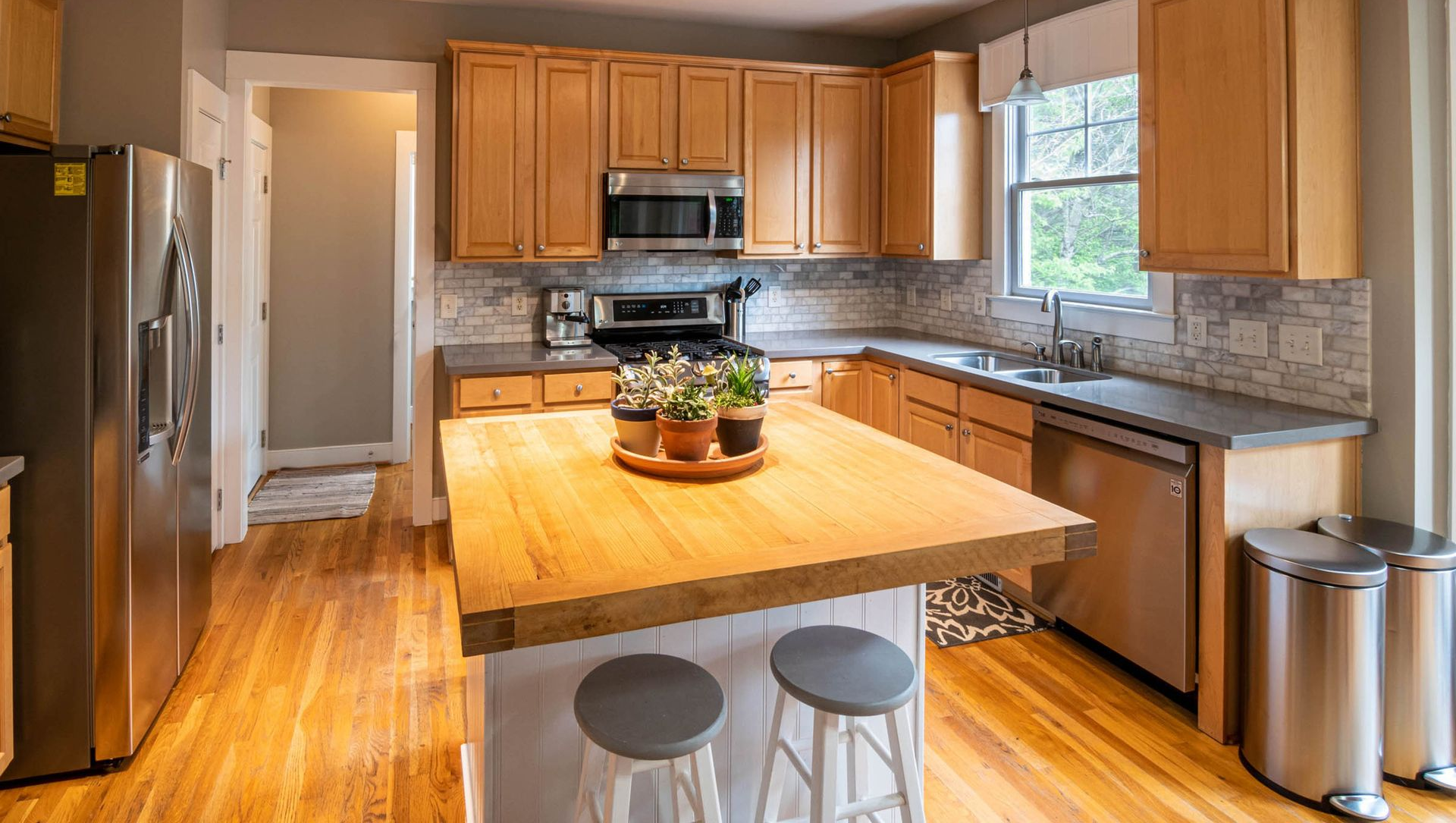
Modern kitchen with wood island, stainless appliances, tan cabinets, and a bowl centerpiece

Start With the Cabinet Color

Painted cabinetry creates the backdrop for the wood.


White and off-white cabinets usually pair well with a wide range of wood tones because the contrast is clean and flexible. Darker painted cabinets can create a richer, more dramatic look when matched with medium or lighter wood.


Muted greens, blues, and grays can also work well with natural wood because both elements bring visual depth without competing for attention.


The goal is not necessarily to match the wood to the cabinet color. In many cases, contrast is what makes the combination successful.
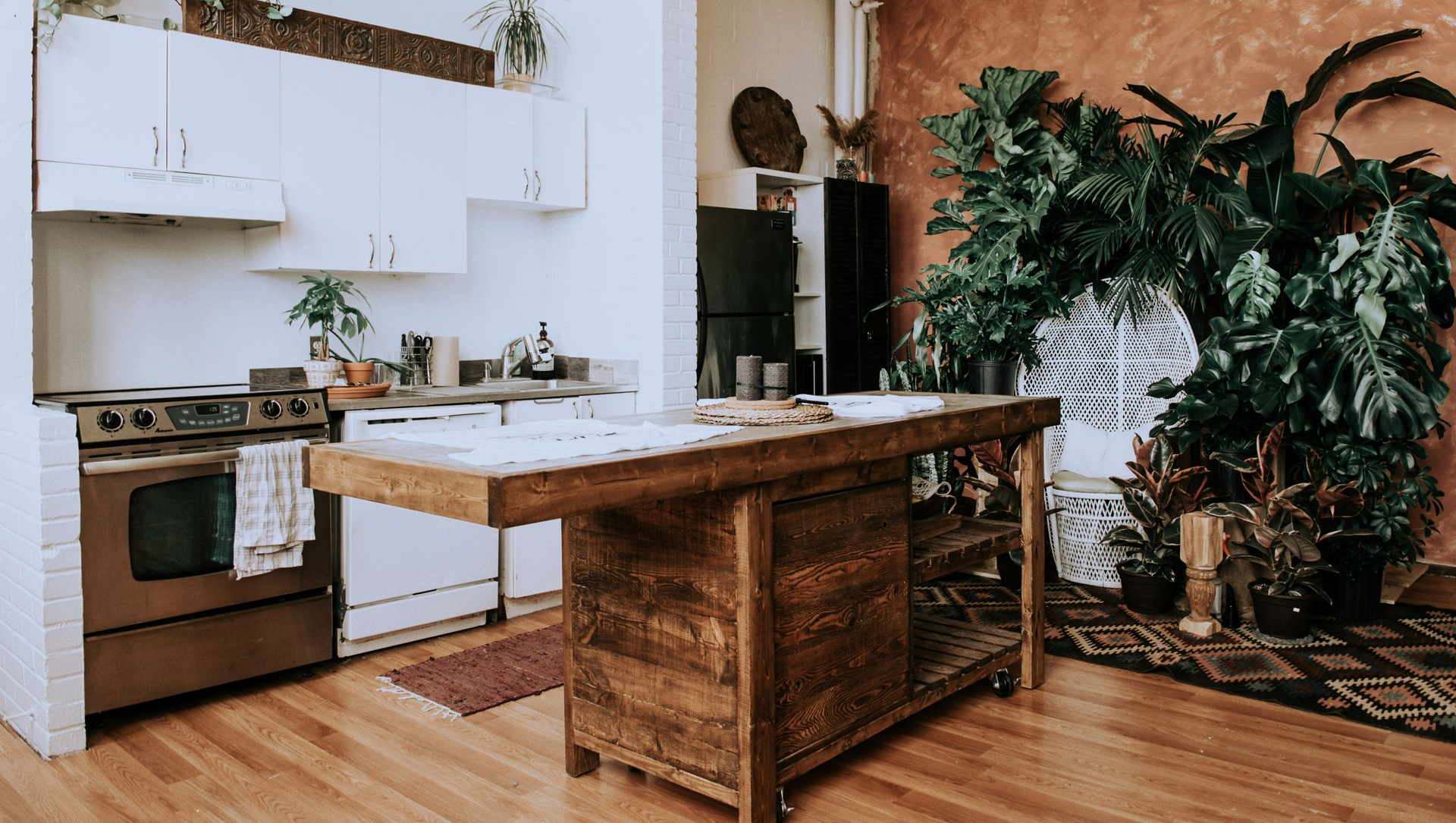
Modern kitchen with white cabinets, wooden island, stainless stove, and large potted plant by the window

Consider the Wood Species

Different wood species create very different impressions.


Some woods have pronounced grain and strong color variation, while others feel more subdued.


A dramatic slab can become the centerpiece of a simple kitchen. A quieter slab may work better when the cabinetry, backsplash, or flooring already has a lot of visual movement.


Locally sourced West Virginia wood can be especially effective because natural grain, knots, sapwood, and heartwood give the island a character that cannot be duplicated with manufactured materials.


The slab should complement the room without disappearing into it.
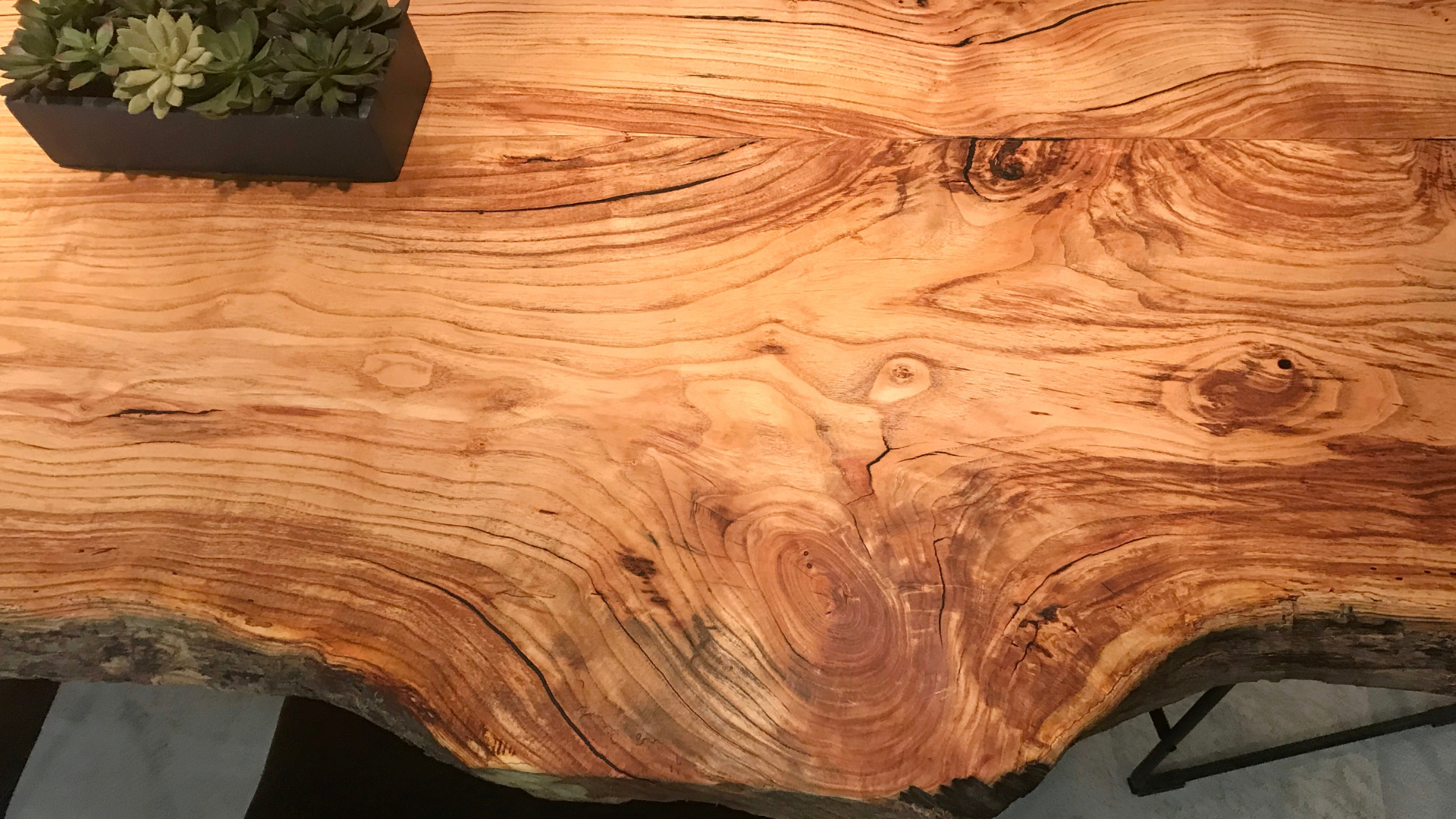
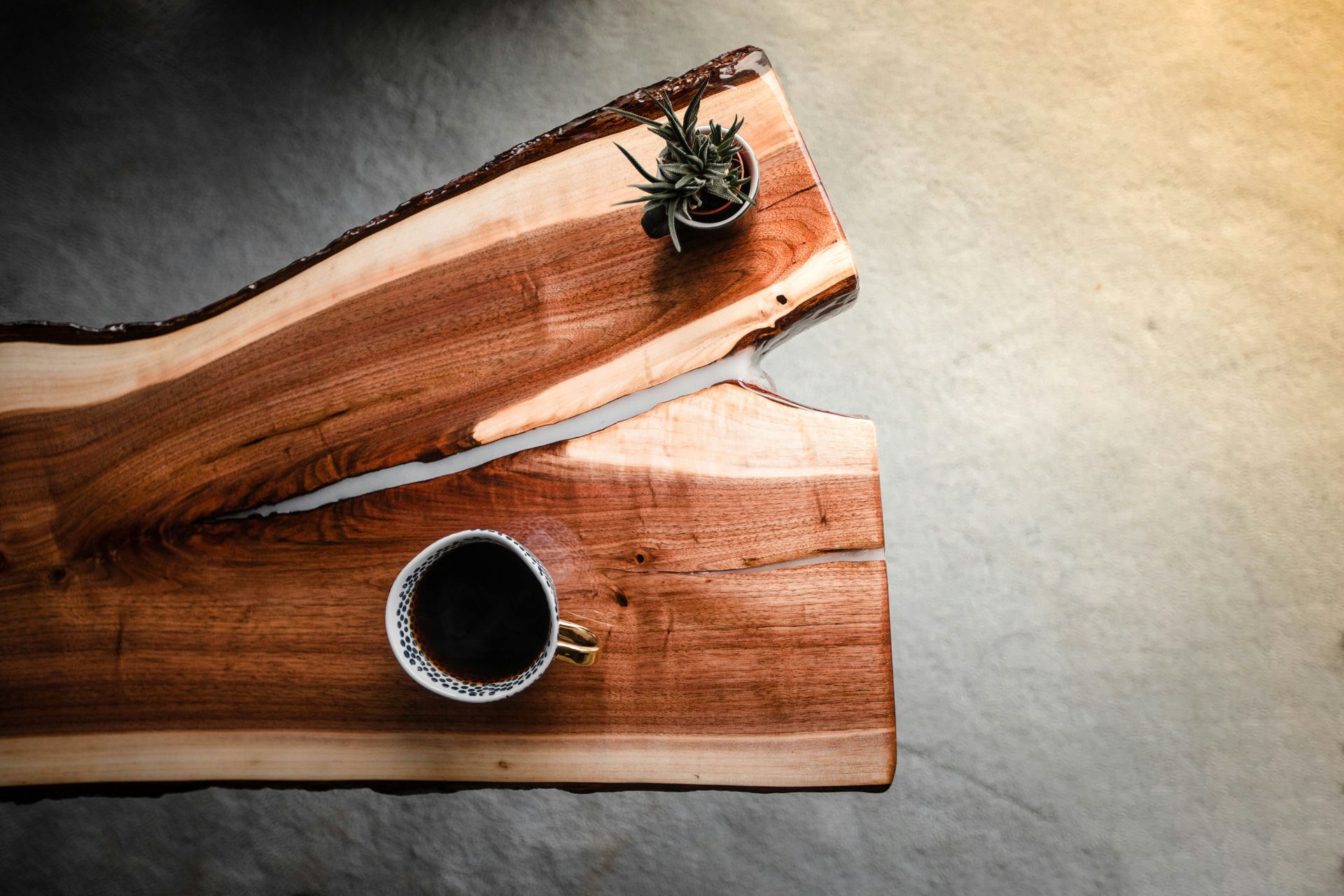
Close-up of a polished live-edge wooden tabletop with swirling grain and a small succulent planter in the corner

Pay Attention to Undertones

Wood and paint both have undertones.


A cabinet may look gray but lean warm or cool depending on the lighting. Wood may appear golden, reddish, neutral, or deep brown.


These subtle undertones can affect whether the materials feel harmonious.


Viewing paint samples next to the actual slab is much more useful than relying on small online images or memory.


Natural light should also be considered because it can make both wood and paint look different throughout the day.
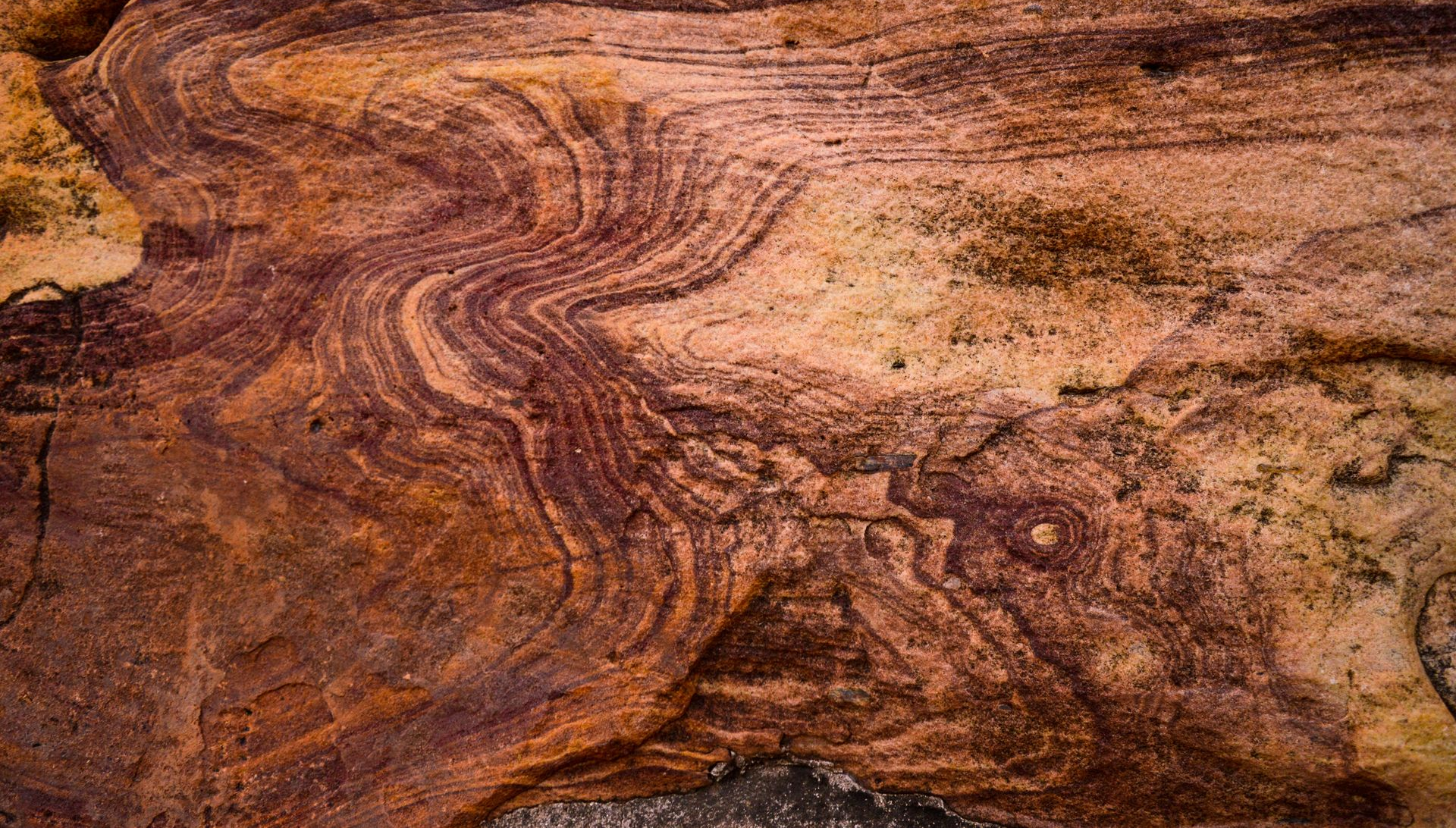
Striated reddish-brown rock surface with swirling sediment layers and weathered texture

Thickness Changes the Visual Weight

The thickness of the island top affects how substantial it feels.


A thicker slab tends to create a stronger architectural presence and can work especially well on a large island.


A thinner profile may feel lighter and more refined.


The right choice depends on the scale of the cabinetry below and the size of the kitchen.


A heavy-looking top on a small island can feel oversized, while a very thin top on a large island may lack enough visual weight.
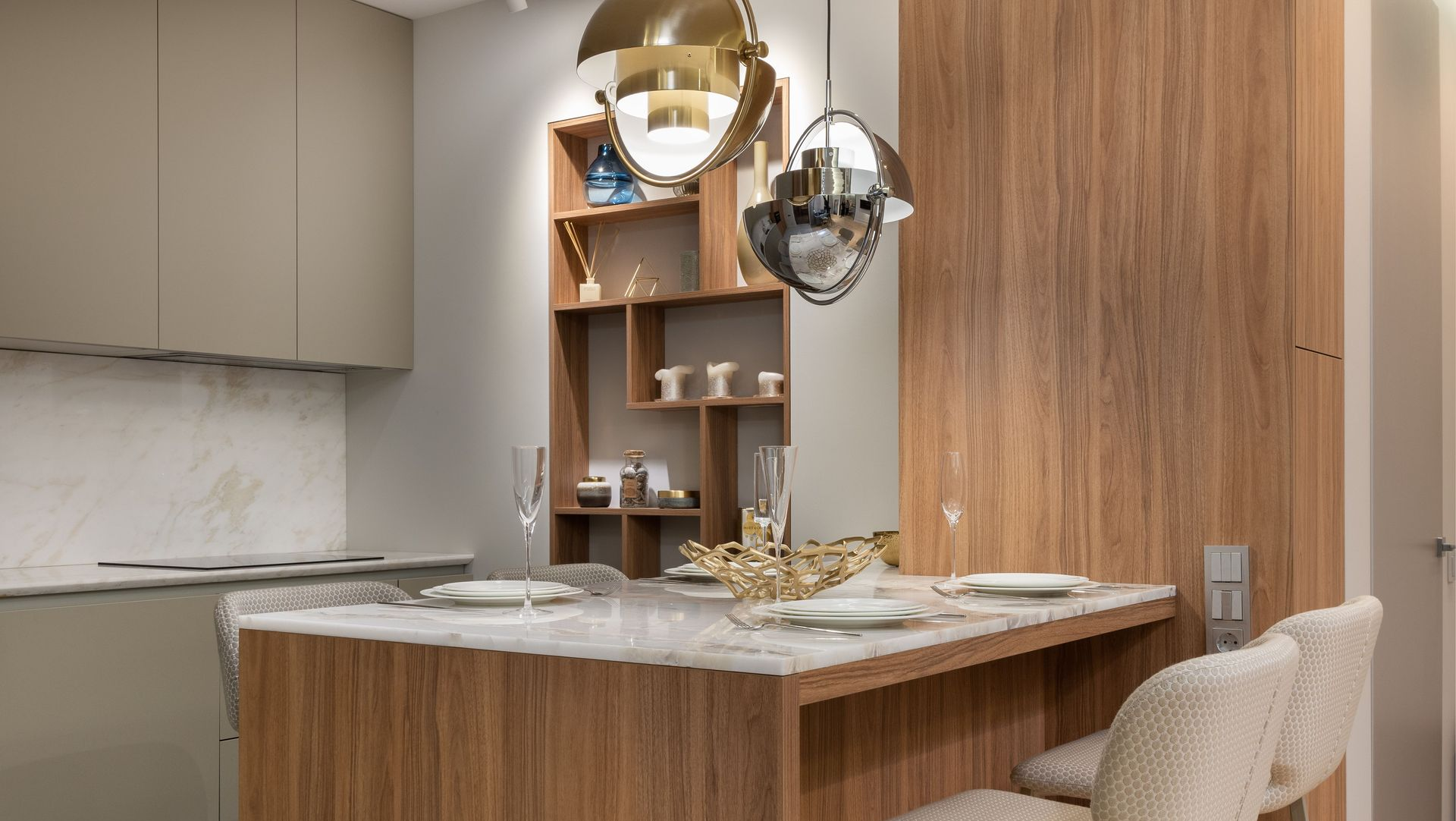
Modern kitchen with wood island, marble countertop, open shelving, and metallic pendant lights

Edge Style Sets the Tone

A live edge can create a more organic and handcrafted appearance.


A straight edge feels cleaner and more restrained.


Some homeowners prefer a combination, using a natural edge on the seating side and a straighter edge where the top meets cabinetry or appliances.


That approach can preserve the character of the slab while keeping the design practical.


The edge treatment should reflect the overall style of the kitchen rather than being chosen in isolation.


Coordinate With Flooring and Other Wood

Most kitchens already contain additional wood tones.


Flooring, stools, beams, trim, and nearby furniture can all influence the choice of island top.


The tones do not need to match exactly, but they should feel compatible.


Too many unrelated wood colors can make the room feel disconnected.


A custom slab gives homeowners more control because the species, finish, and overall tone can be selected with the rest of the room in mind.
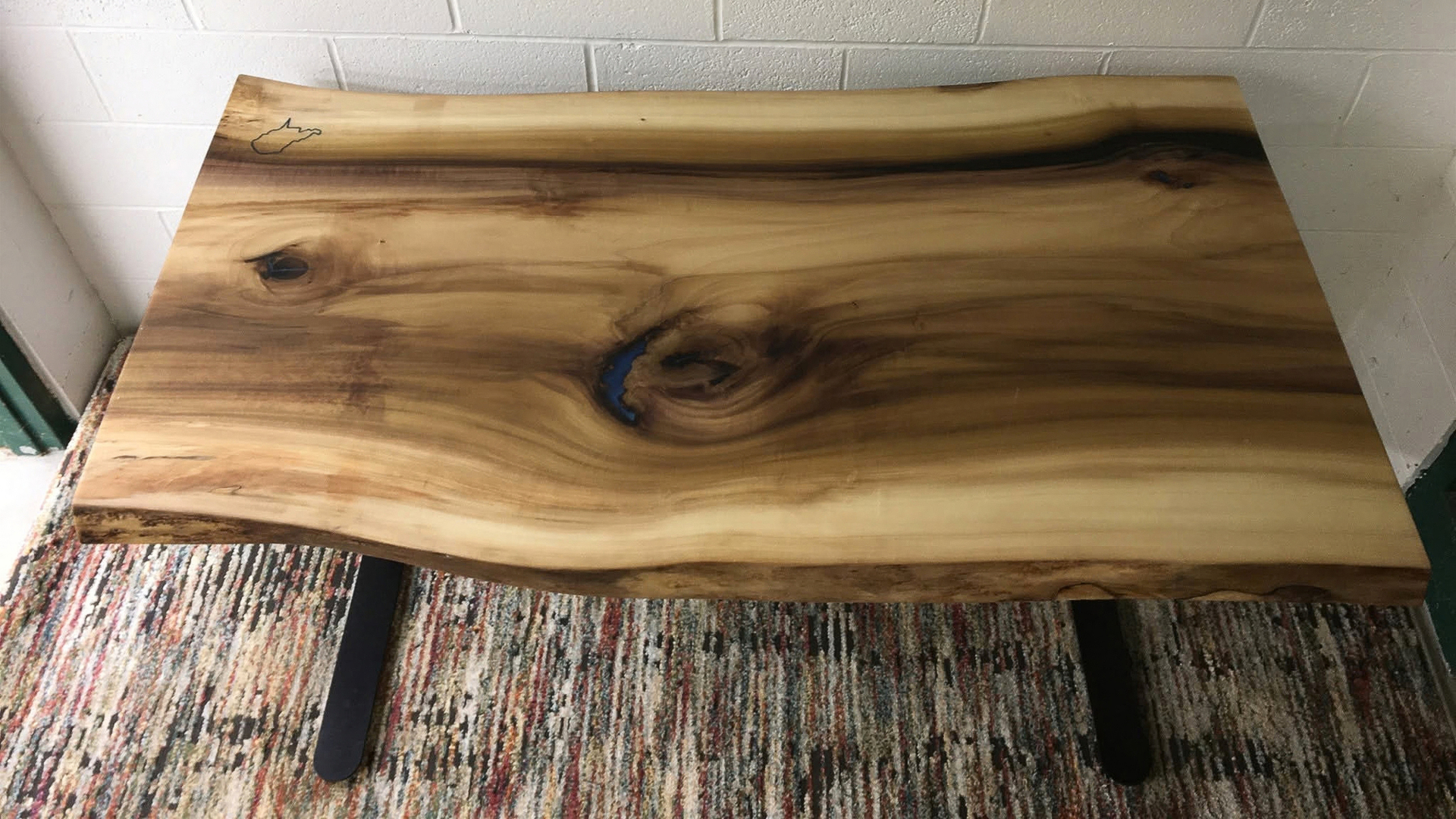
Wood slab tabletop with natural grain and live edge on a patterned rug

Finish Can Change the Entire Look

Finish affects more than protection.


A matte or satin finish can make the wood feel understated and natural, while a glossier surface creates a more polished appearance.


Finish can also deepen color and emphasize grain.


That means the completed slab may look richer than the unfinished wood.


Testing finish options before the final application can help ensure the wood works with the painted cabinetry exactly as intended.
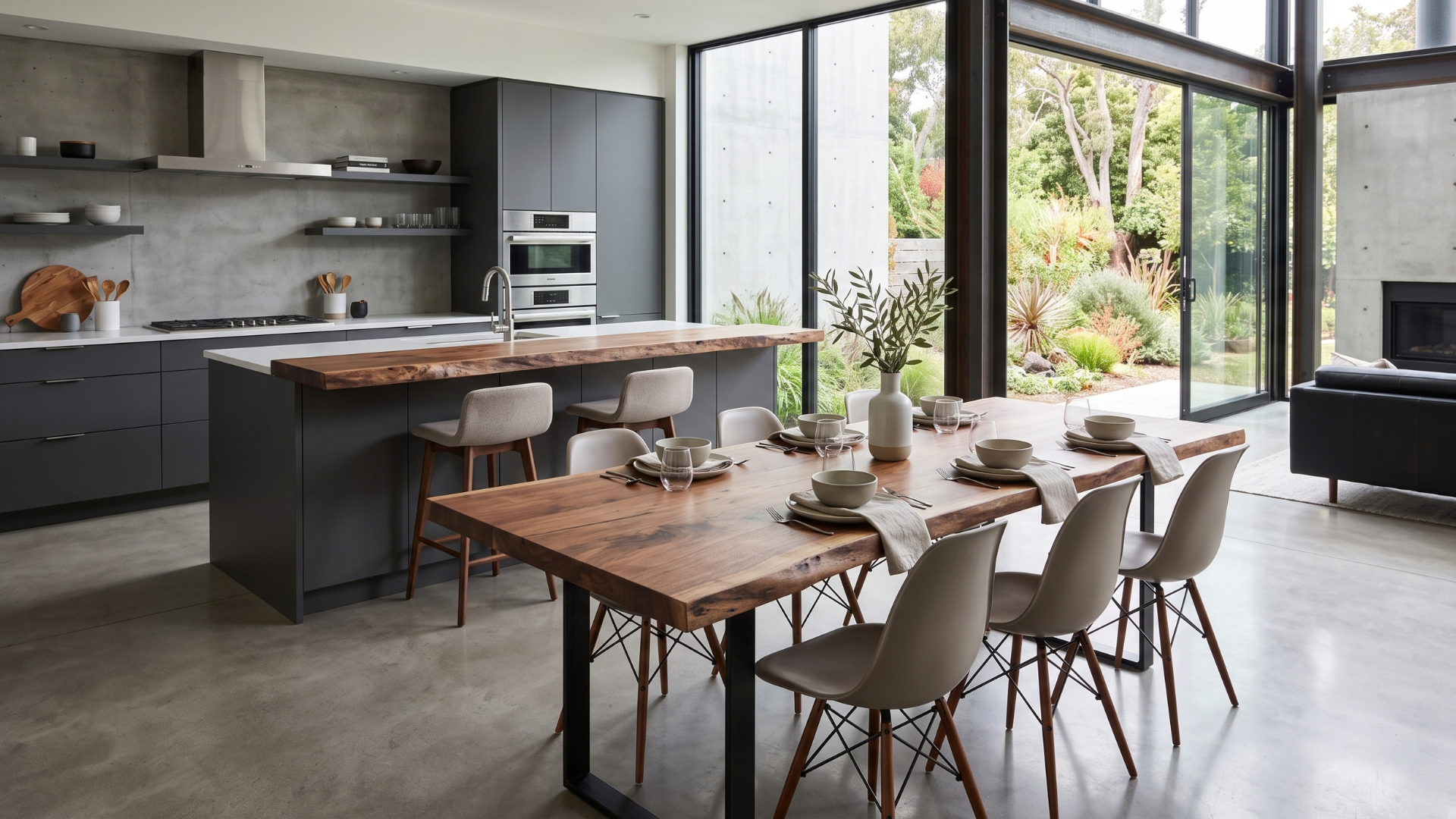
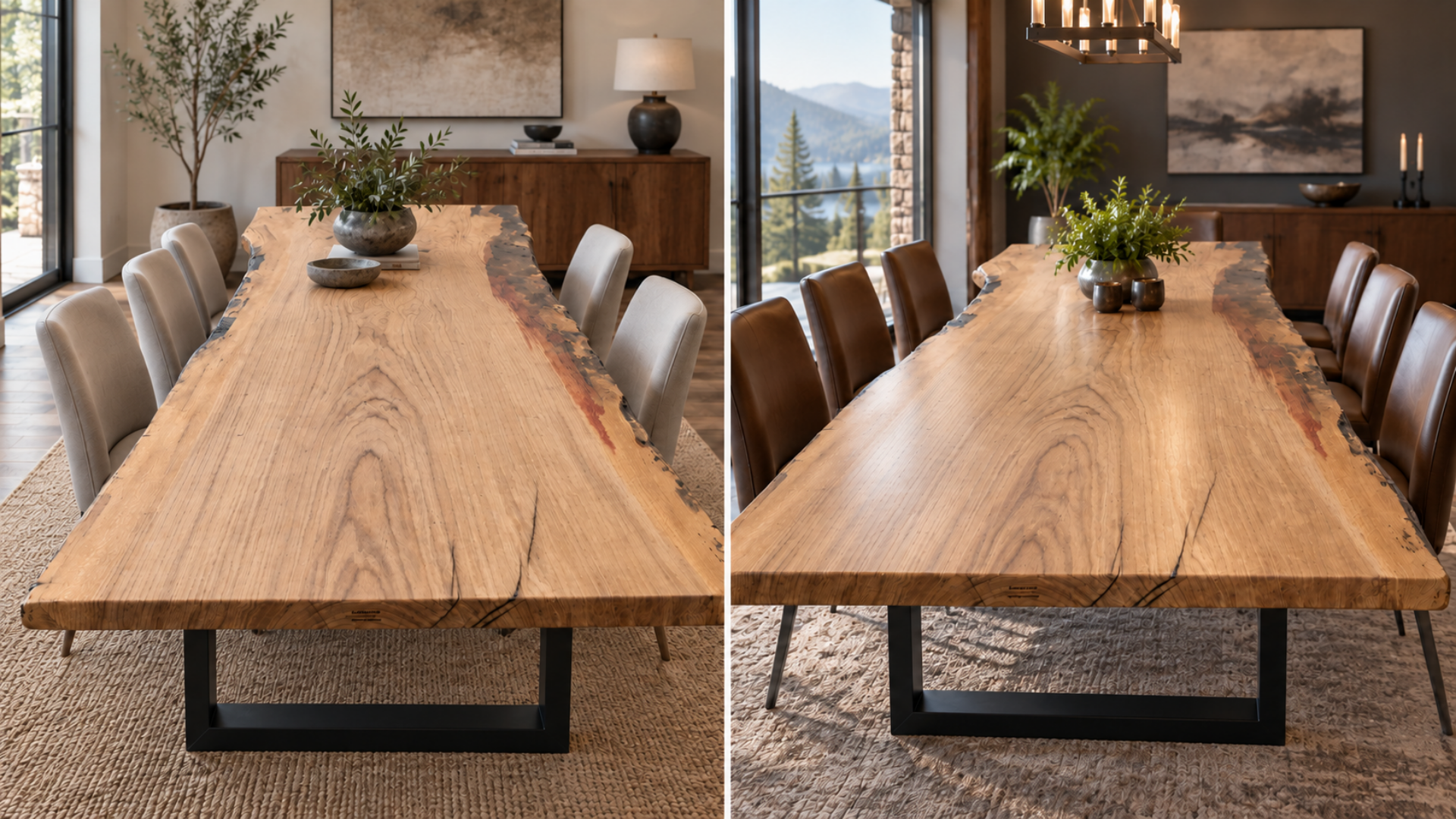
Modern open kitchen and dining area with wood table, island, and large windows overlooking greenery

Create a Kitchen With a Natural Focal Point

A custom wood island top can give painted cabinetry warmth and individuality while creating a strong centerpiece for the kitchen.


The best results come from considering color, wood species, undertones, thickness, edge profile, surrounding materials, and finish together.


Specialty Slab Wood Creations handcrafts one-of-a-kind furniture and custom wood pieces from locally sourced West Virginia wood.


If you are planning a kitchen island and want a custom top designed around your cabinetry, room dimensions, and personal style, contact Specialty Slab Wood Creations to begin creating a piece built specifically for your space.
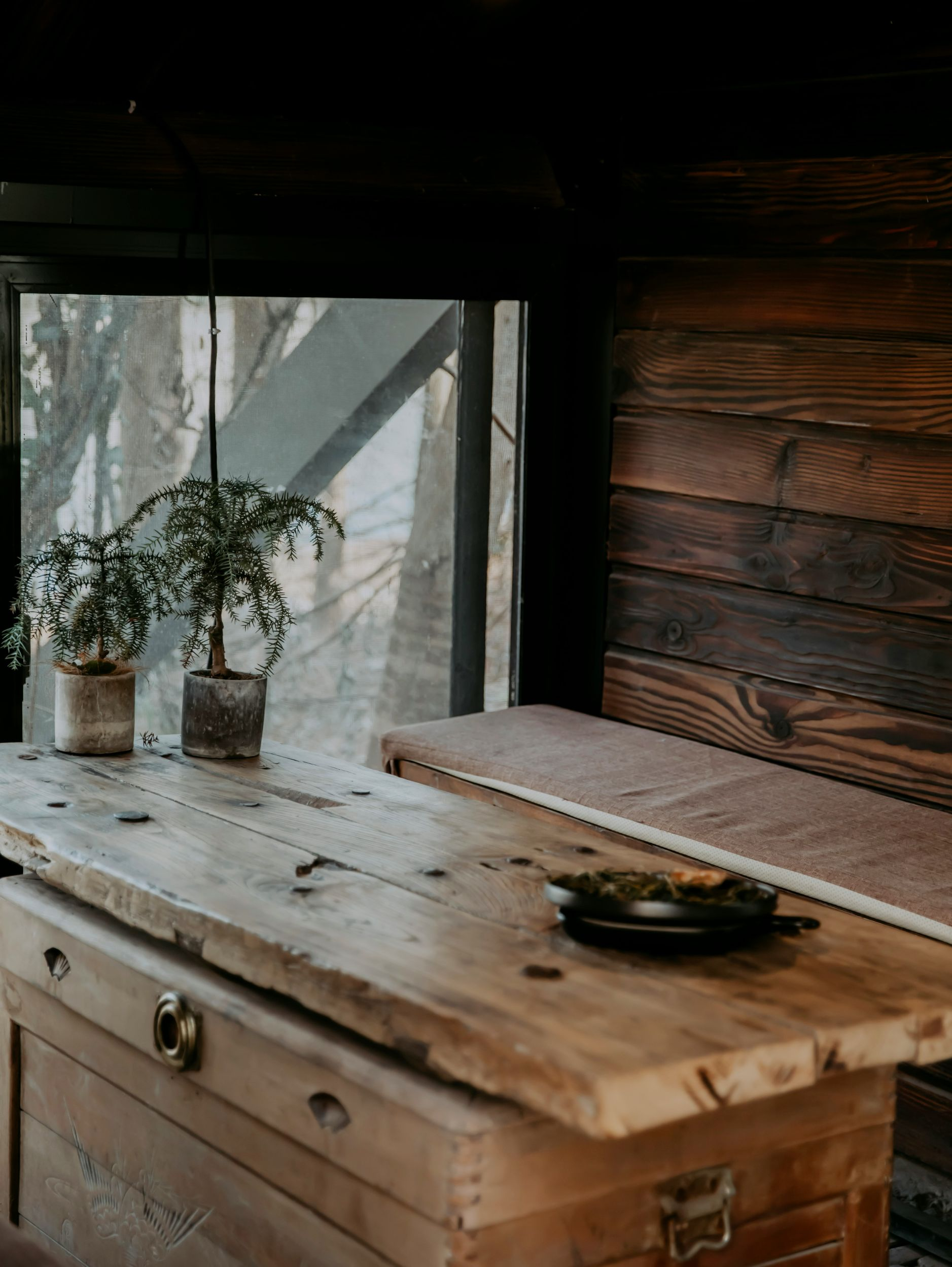
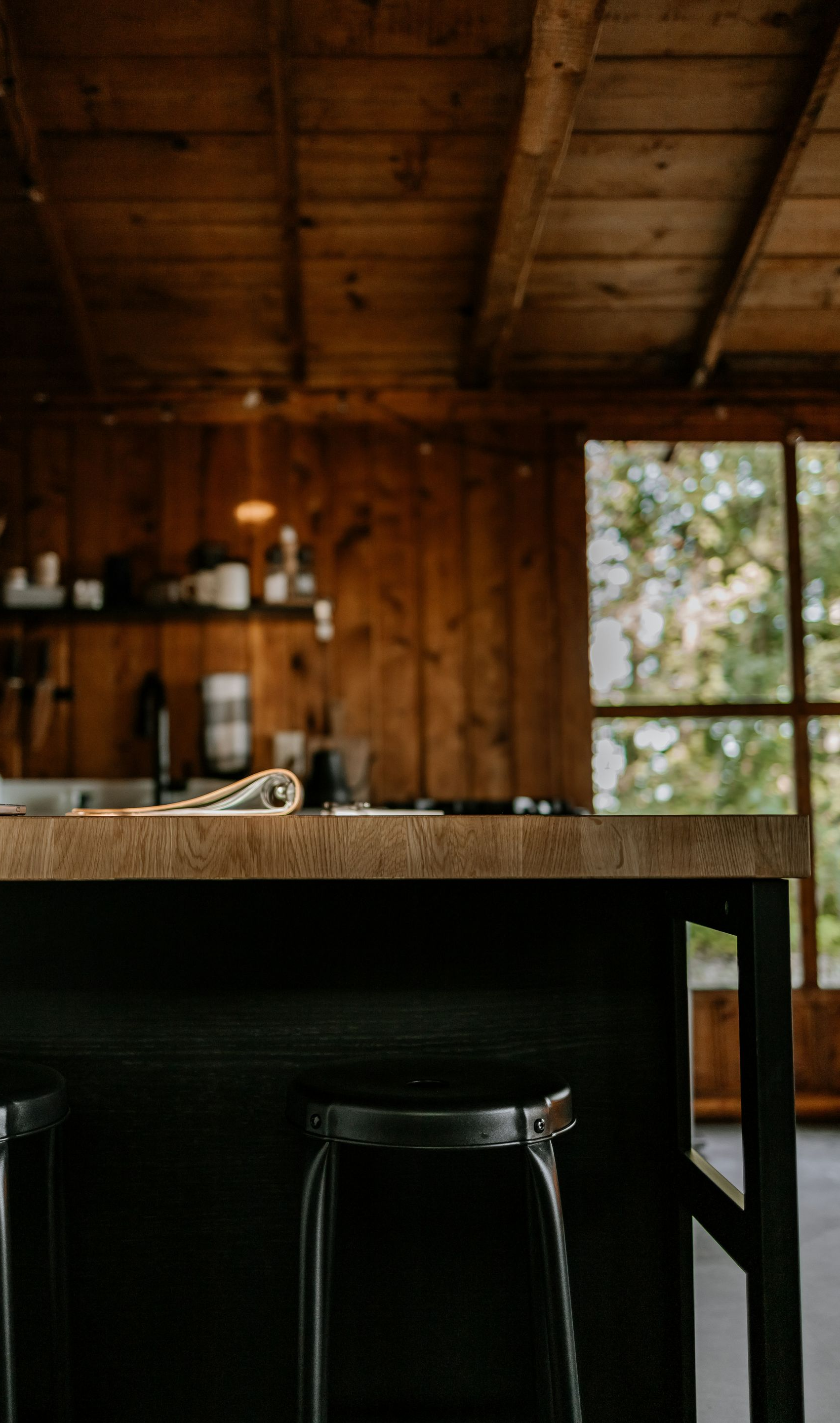
Rustic wooden desk by a window with potted plants and a notebook on top
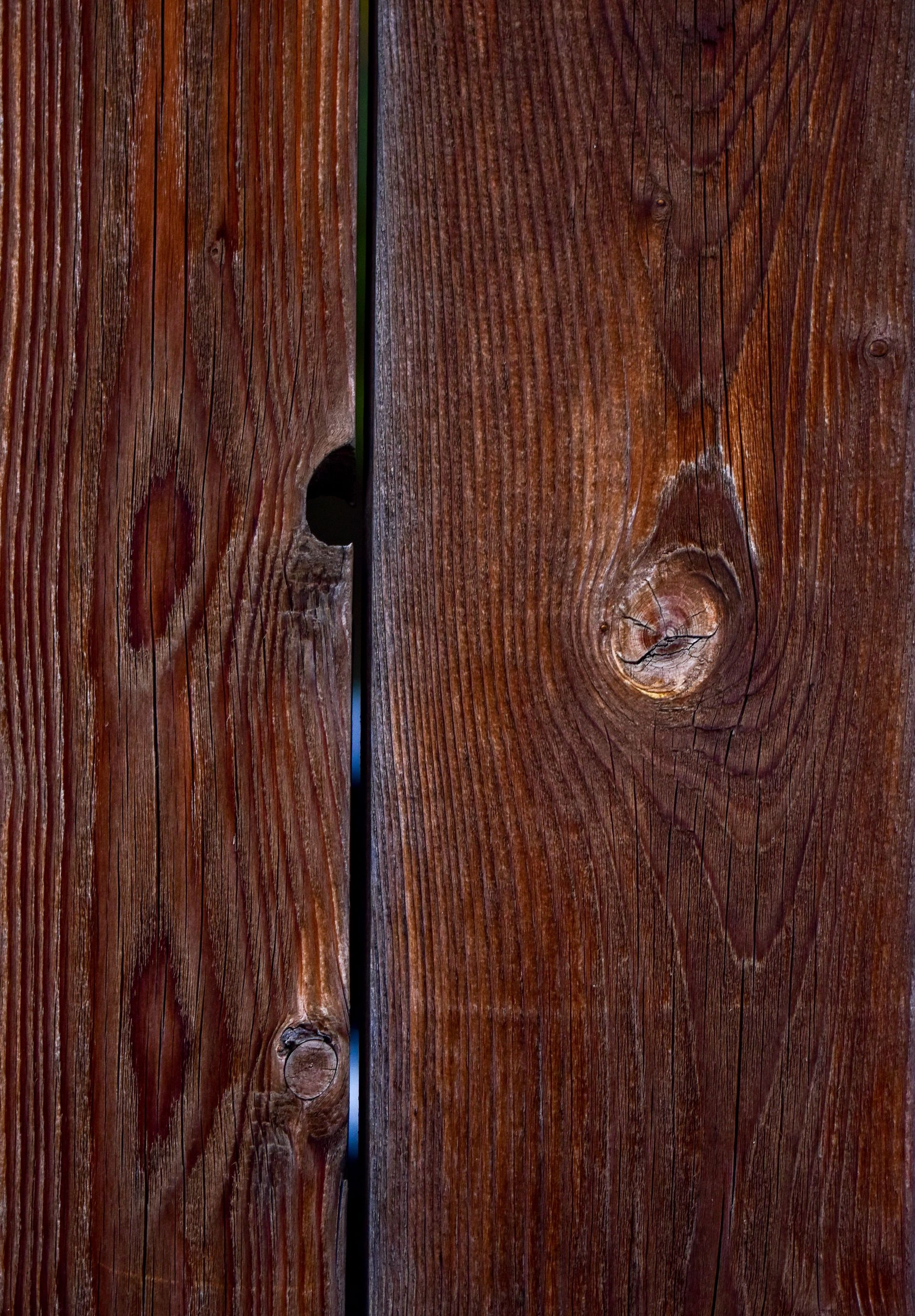
Close-up of weathered brown wooden boards with knots and a narrow vertical gap between them
Rustic wooden cabin interior with a table, stool, and sunlight through a window
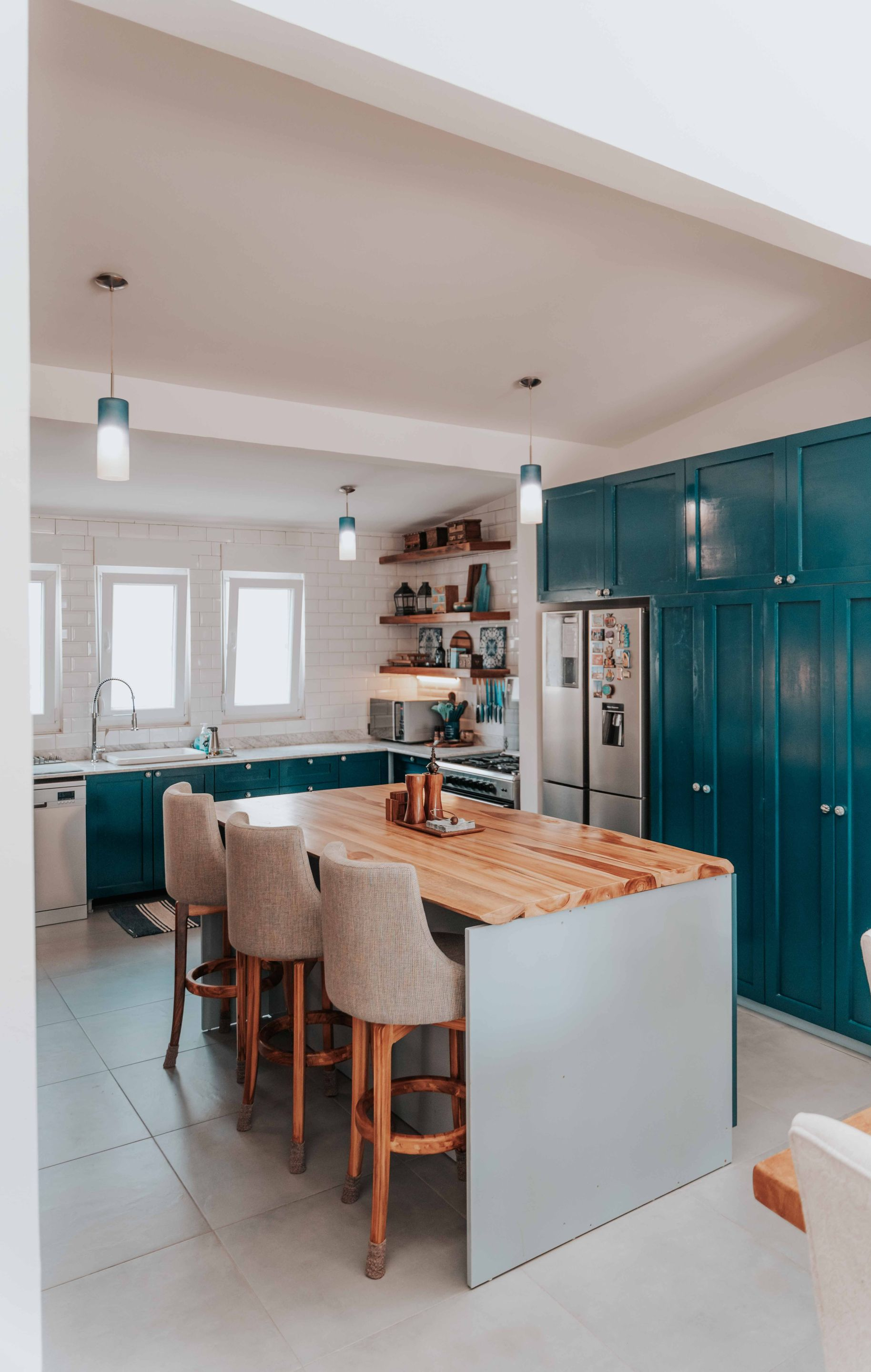
Modern kitchen with teal cabinets, island seating, and wood countertops
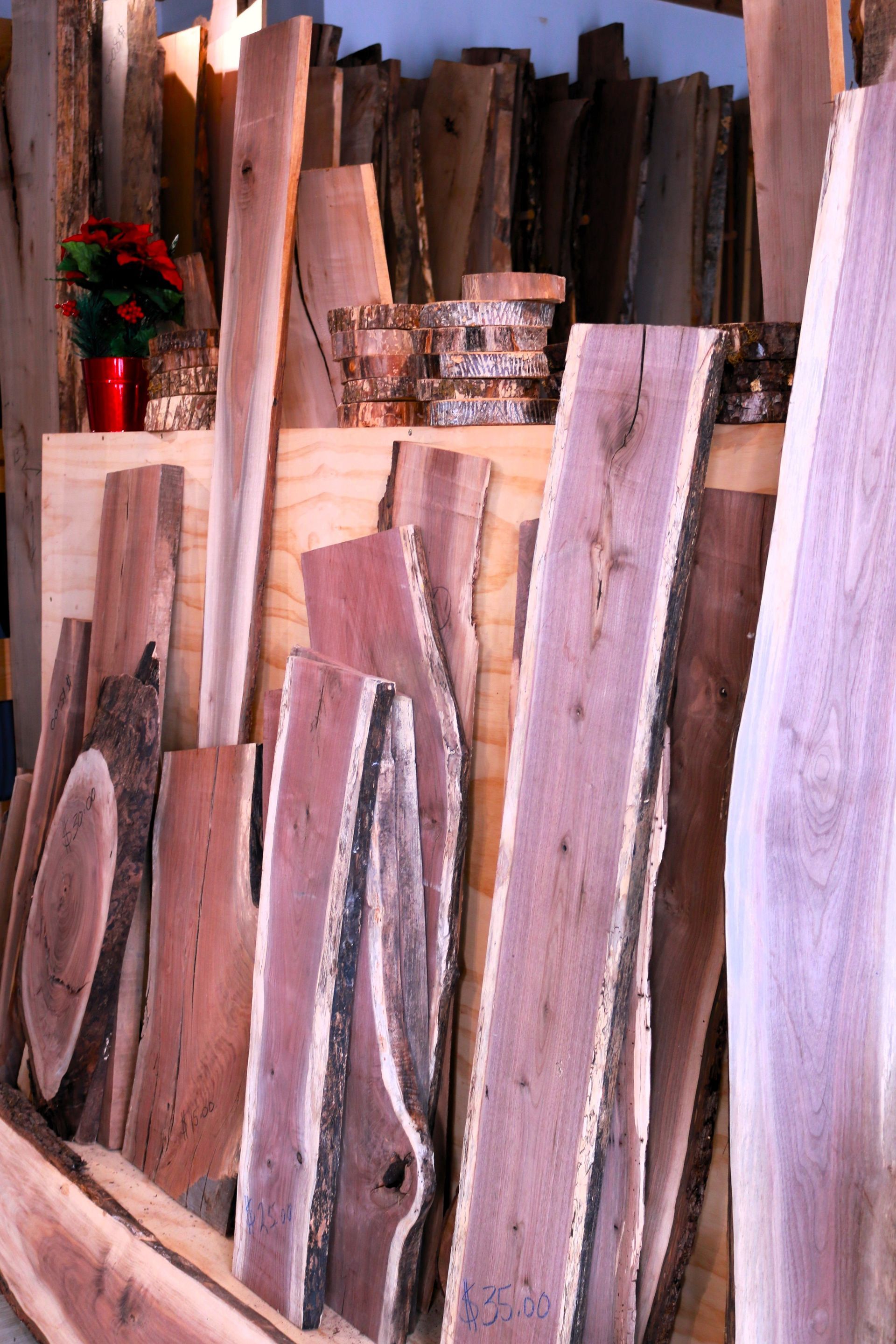
Stacked wooden planks in varied colors and textures, leaning upright in a workshop or lumber yard.
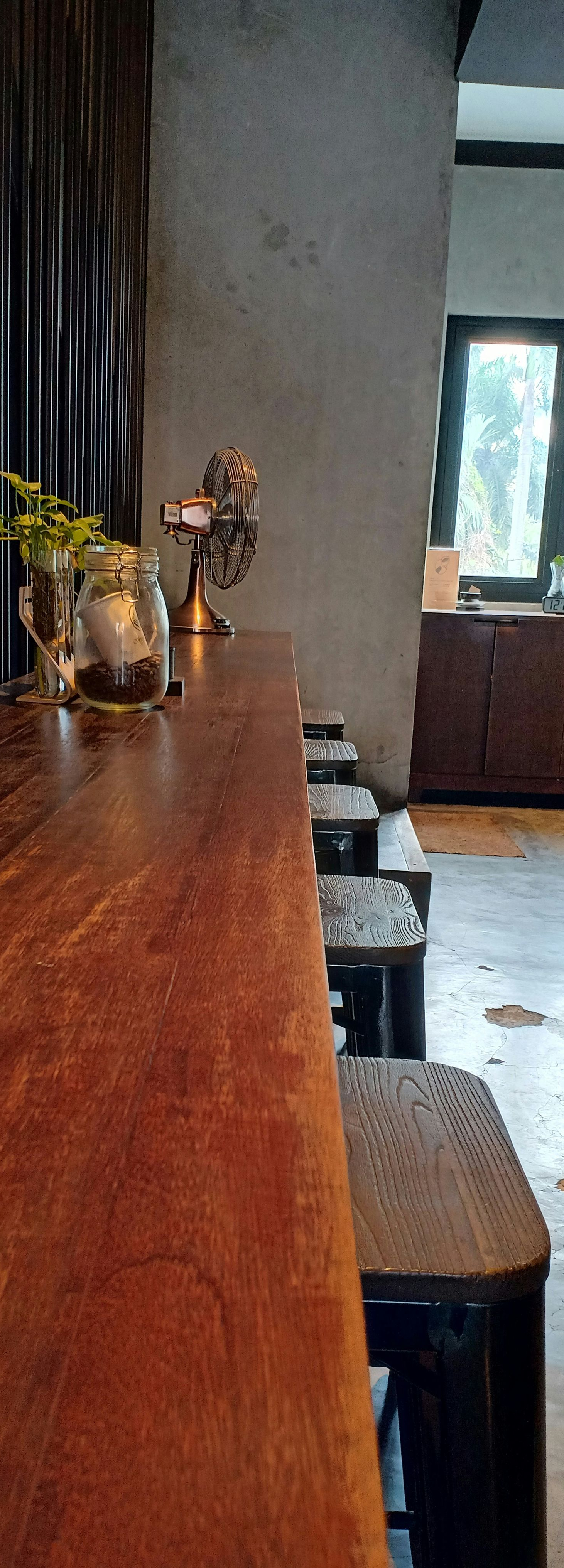
Wooden bar counter beside stools in a softly lit café or restaurant interior.
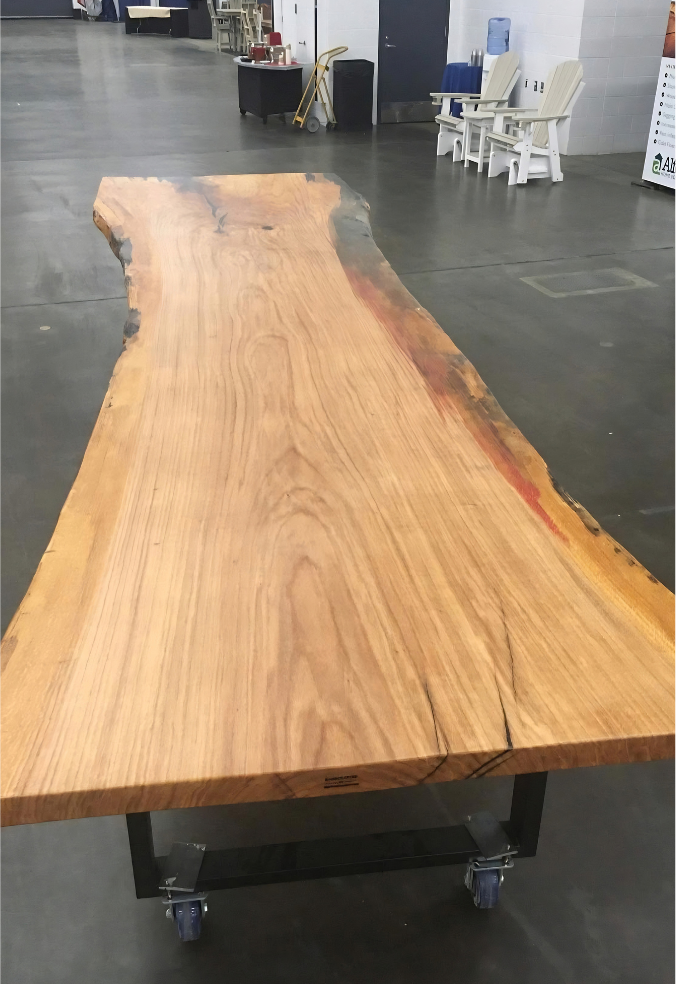
Live-edge wood table on wheels in a showroom with a dark tiled floor and white chairs in the background
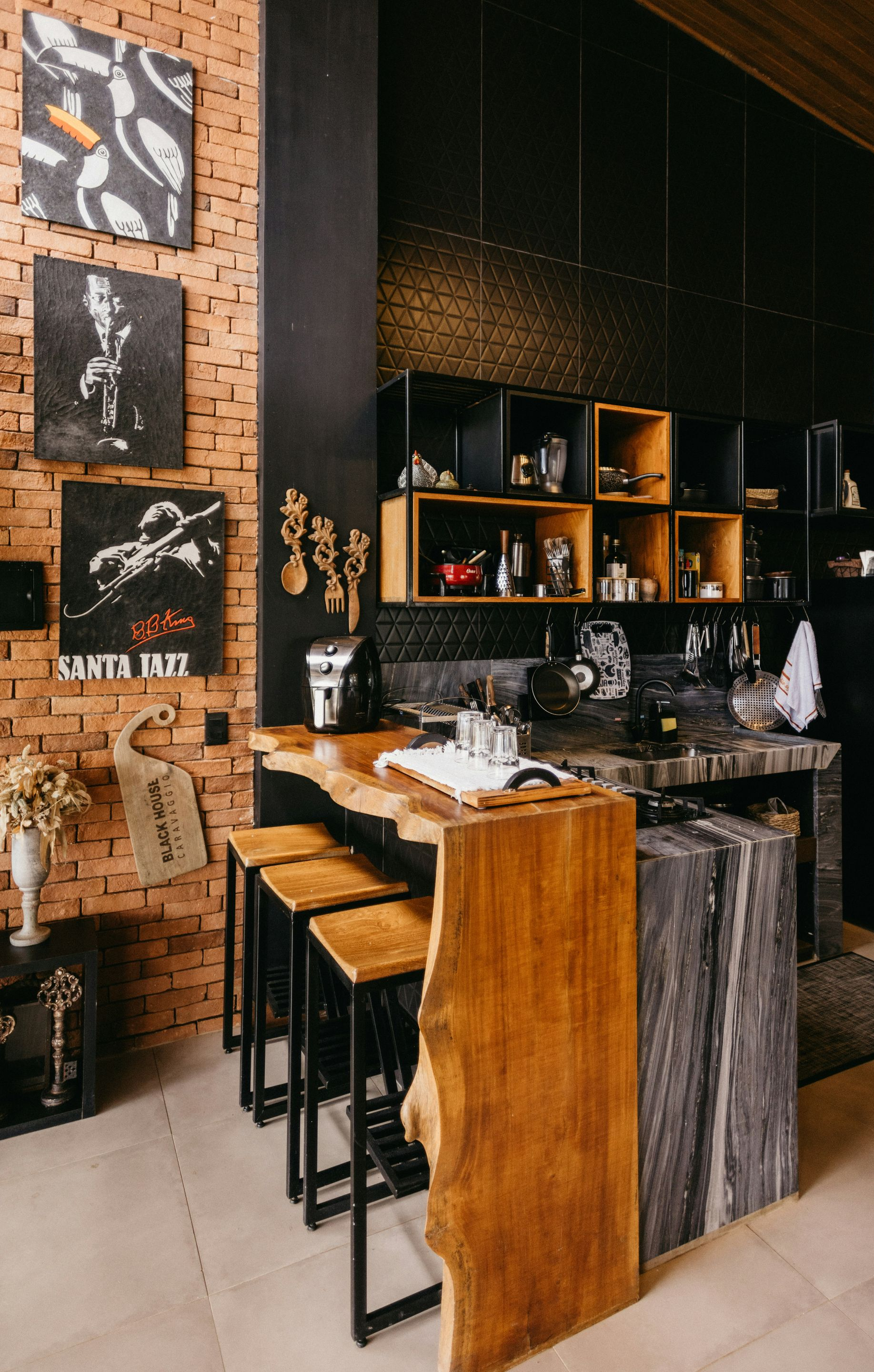
Cozy brick cafe bar with wooden stools, open shelves, and warm ambient lighting
September 24, 2026
Wood is more than a construction material. Its color, grain, texture, and natural variation can influence the entire character of a room. A pale maple slab can make a space feel brighter and more contemporary. Rich walnut can add warmth and visual depth. Oak may feel traditional, substantial, or rustic depending on the cut and finish. When custom furniture is designed around the right wood species, the piece can do more than fill a practical need. It can help establish the mood of the space itself. Color Sets the First Impression One of the most noticeable differences between wood species is color. Lighter woods tend to reflect more light and can make furniture feel visually lighter. They often work well in modern, Scandinavian-inspired, or transitional interiors. Darker woods can create a stronger focal point. A deep brown slab may make a dining table or desk feel more grounded and substantial, especially against lighter walls, flooring, or cabinetry. Neither approach is inherently better. The right choice depends on the room and the effect the homeowner wants to create.
September 20, 2026
One of the most appealing qualities of natural wood is that its color is rarely uniform. A single slab can contain pale outer sections, rich darker areas, streaks, mineral lines, knots, and dramatic grain changes that developed over decades of growth. Two of the biggest contributors to that variation are sapwood and heartwood. Understanding the difference between them can help explain why custom live edge furniture has so much natural depth and why some slabs immediately stand out before any stain or finish is applied. Sapwood Is the Younger Outer Wood Sapwood is found closer to the outside of the tree. While the tree is growing, this lighter-colored wood helps move water and nutrients through the trunk. Because it is newer growth, sapwood often appears noticeably paler than the wood toward the center. Depending on the species, it may be cream, light tan, pale yellow, or another soft natural tone. When incorporated into a table, desk, or countertop, sapwood can create a striking border along the edge of the slab.
September 13, 2026
The finish on a custom wood piece does more than protect the surface. It also changes how the grain, color, texture, and natural character of the slab are perceived.  For live edge furniture, two popular choices are matte and satin finishes. Both can work beautifully, but they create different visual effects. The right choice depends on the wood species, the room, the intended use of the piece, and how much sheen you want the surface to have.
September 6, 2026
One of the biggest differences between handcrafted live edge furniture and mass-produced furniture is that the wood is allowed to look like wood. Natural variations are not automatically hidden or removed. Knots, color changes, checks, mineral streaks, and irregular grain patterns can all become part of the finished design. For many people, these features are exactly what make a custom piece interesting. Instead of looking identical to hundreds of other tables or desks, the finished furniture reflects the history and individual character of the tree it came from. Knots Create Visual Interest Knots form where branches once grew from the trunk of the tree. Depending on their size, shape, and location, they can create dramatic focal points within a slab. Some knots are tight and stable, while others may require additional attention during the woodworking process.  A skilled woodworker evaluates each knot rather than simply treating it as a defect. In some pieces, a knot may become one of the most visually interesting parts of the tabletop. The surrounding grain often curves and changes direction around it, creating patterns that would be difficult to reproduce artificially.
August 28, 2026
Live edge furniture has a natural ability to command attention. Unlike factory-made pieces with uniform surfaces and predictable dimensions, every slab has its own grain, edge profile, color variation, knots, and natural imperfections. When the goal is to create a true focal point, choosing the right slab becomes especially important. Specialty Slab Wood Creations works with native West Virginia wood to create one-of-a-kind tables, desks, island tops, headboards, and other custom pieces designed around the individual character of each slab. Look for Strong Grain Movement One of the first things to consider is the grain . Some slabs have relatively straight, subtle grain patterns, while others feature sweeping lines, cathedral patterns, curls, waves, or dramatic color changes. If you want the finished piece to immediately draw the eye, a slab with strong grain movement can provide natural visual interest without requiring excessive ornamentation.  The best choice depends on the room. In a minimalist space, bold grain can become the primary decorative feature. In a busier interior, a more controlled grain pattern may create better balance.
August 23, 2026
Choosing the right wood is one of the most important decisions when designing live edge furniture. The species affects everything from color and grain to durability, edge character, and the overall mood of the finished piece. Some woods create a bold, dramatic table, while others produce a lighter and more understated look. Specialty Slab Wood Creations handcrafts live edge furniture using native West Virginia wood, allowing the natural character of each slab to become part of the design. While beauty is subjective, several hardwoods consistently stand out for their grain, color, and ability to make exceptional live edge pieces. 1. Black Walnut: Rich and Dramatic Black walnut is one of the most recognizable woods used in custom furniture. Its heartwood typically ranges from medium brown to deep chocolate, sometimes with darker streaks or subtle purplish tones. Lighter sapwood along the outer portions of the slab can create striking contrast, especially when preserved as part of a live edge. Walnut works particularly well for dining tables, desks, conference tables, and statement pieces because the grain tends to feel refined without looking overly formal.  For homeowners who want a darker, sophisticated piece with strong natural variation, walnut is difficult to beat.
August 13, 2026
Live edge furniture is often associated with rustic cabins, farmhouse interiors, and traditional woodworking, but it can also work beautifully in modern spaces. In fact, the contrast between a natural wood edge and a clean, contemporary room can make the furniture feel even more distinctive. Specialty Slab Wood Creations builds handcrafted live edge furniture using native West Virginia wood , combining natural materials with custom design. Whether the finished piece is a dining table, desk, coffee table, island top, or accent table, live edge furniture can bring warmth and character to modern interiors without disrupting a clean design aesthetic. Natural Wood Softens Clean Lines Modern interiors often rely on straight lines, smooth surfaces, neutral colors, and simple forms. That visual restraint can create a polished look, but too many hard surfaces can sometimes make a room feel cold or impersonal. Live edge wood introduces organic shape, grain, and texture into the space.  A natural edge provides contrast without creating clutter. Instead of adding multiple decorative elements, one substantial wood piece can give the room a focal point while maintaining a simple overall design.
August 7, 2026
A handcrafted live edge table is much more than a functional piece of furniture. It is a one-of-a-kind work of art that showcases the natural beauty of solid hardwood, complete with distinctive grain patterns, organic edges, and unique character developed over decades of growth. With proper care, a quality live edge piece can remain beautiful for generations, becoming an heirloom that is enjoyed by family members for years to come.  Fortunately, caring for live edge furniture is relatively simple. By following a few basic maintenance practices, homeowners can help preserve the wood’s natural appearance while protecting their investment. At Slab Wood Creations, every custom piece is handcrafted from native West Virginia hardwoods with durability in mind, making proper care the final step in ensuring a lifetime of enjoyment.
July 29, 2026
Furniture is more than just something we use every day. The right piece can become the centerpiece of a room, reflect your personal style, and even tell a story. Live edge furniture has become increasingly popular because it celebrates the natural beauty of wood rather than hiding it. Instead of cutting every board into perfectly straight lines, live edge craftsmanship preserves the organic contours of the tree, resulting in furniture that is both functional and artistic. At Slab Wood Creations, every live edge project is handcrafted to highlight the distinctive character of the wood, creating one-of-a-kind pieces that cannot be replicated.